
How Long Do Paver Patios and Walkways Last?
Short answer:
A properly installed paver patio or walkway can last 25–50+ years. In many cases, it will outlast poured concrete.
The real variable isn’t the paver itself—it’s everything underneath it. Base preparation, drainage, and installation quality are what determine whether your patio lasts decades or starts failing in a few years.
Why We’re Qualified to Talk About This
At J&L Landscape Design, patios and walkways are a core part of what we build. We install paver systems throughout Dutchess County using proper base prep, compaction, and drainage practices—because we’ve seen firsthand what happens when those steps are skipped.
This isn’t theoretical advice. It’s based on real installs, repairs, and long-term performance in Northeast conditions.
How Long Do Concrete Pavers Last?
Concrete pavers themselves are extremely durable. When installed correctly, they can last:
- 25–50 years or more structurally
- Even longer with proper maintenance and occasional resets
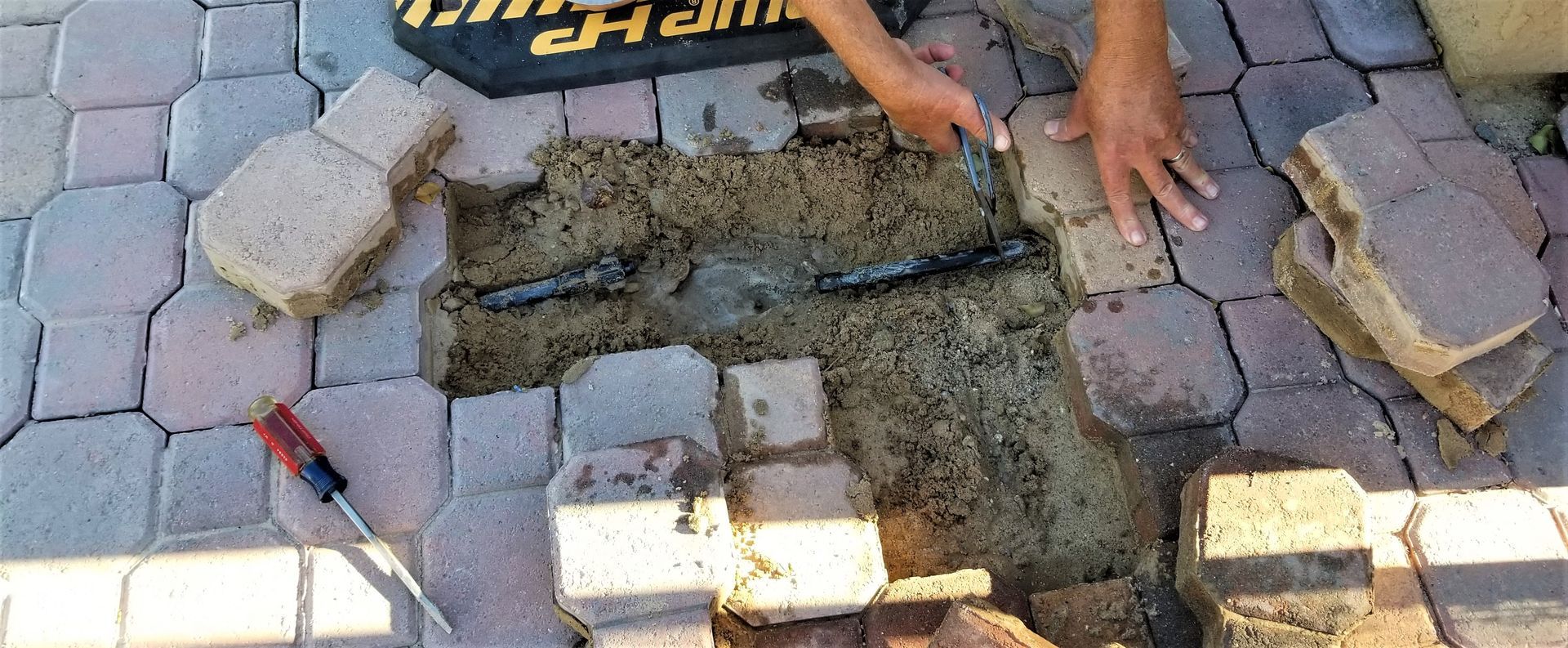
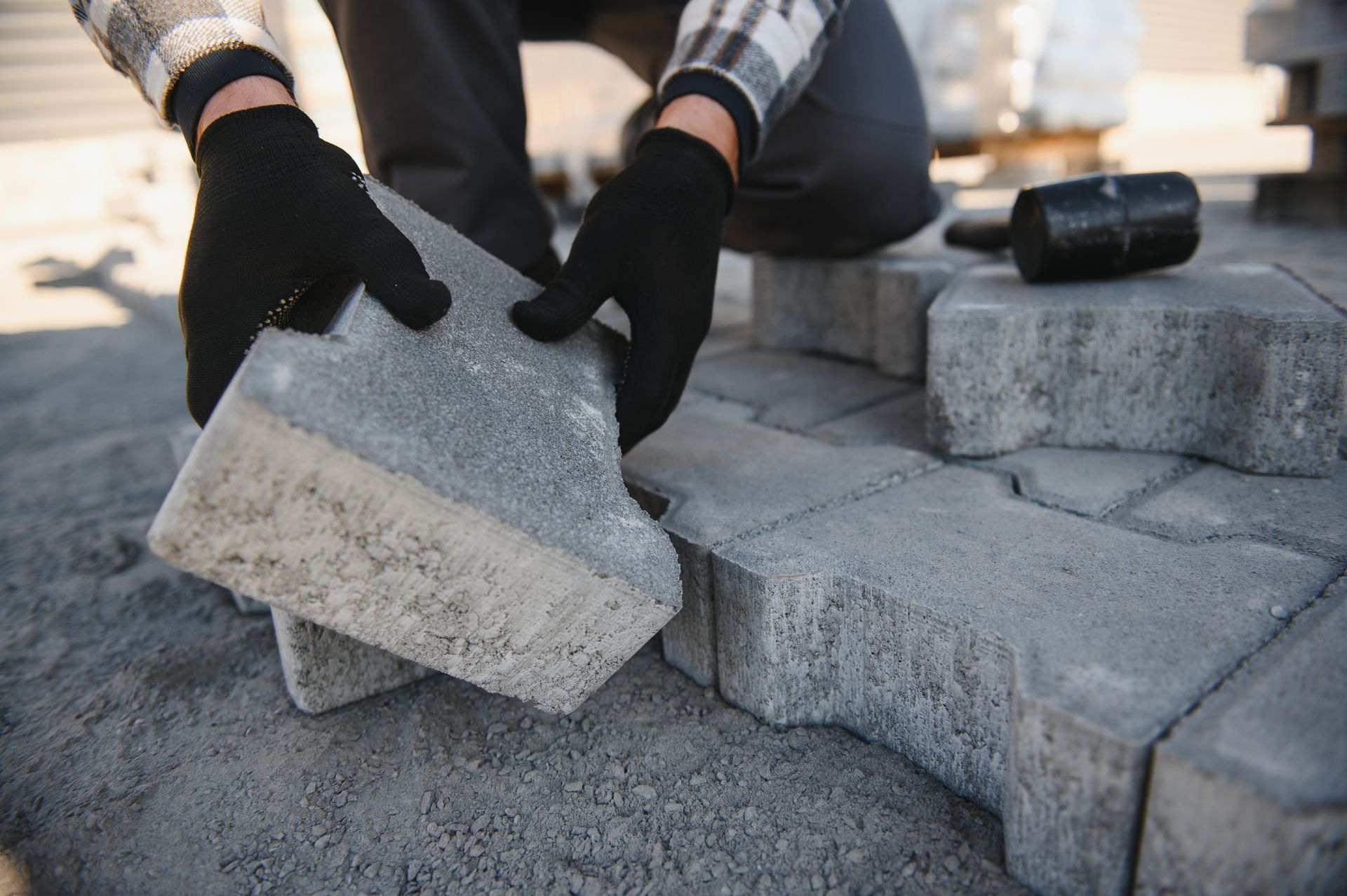
Unlike poured concrete, pavers are individual units. That means if one area fails, it can be fixed without replacing the entire patio.
What Actually Determines Paver Lifespan?
Most patios don’t fail because the pavers wear out. They fail because of poor installation or environmental stress.
Here are the biggest factors:
Base Preparation (The #1 Factor)
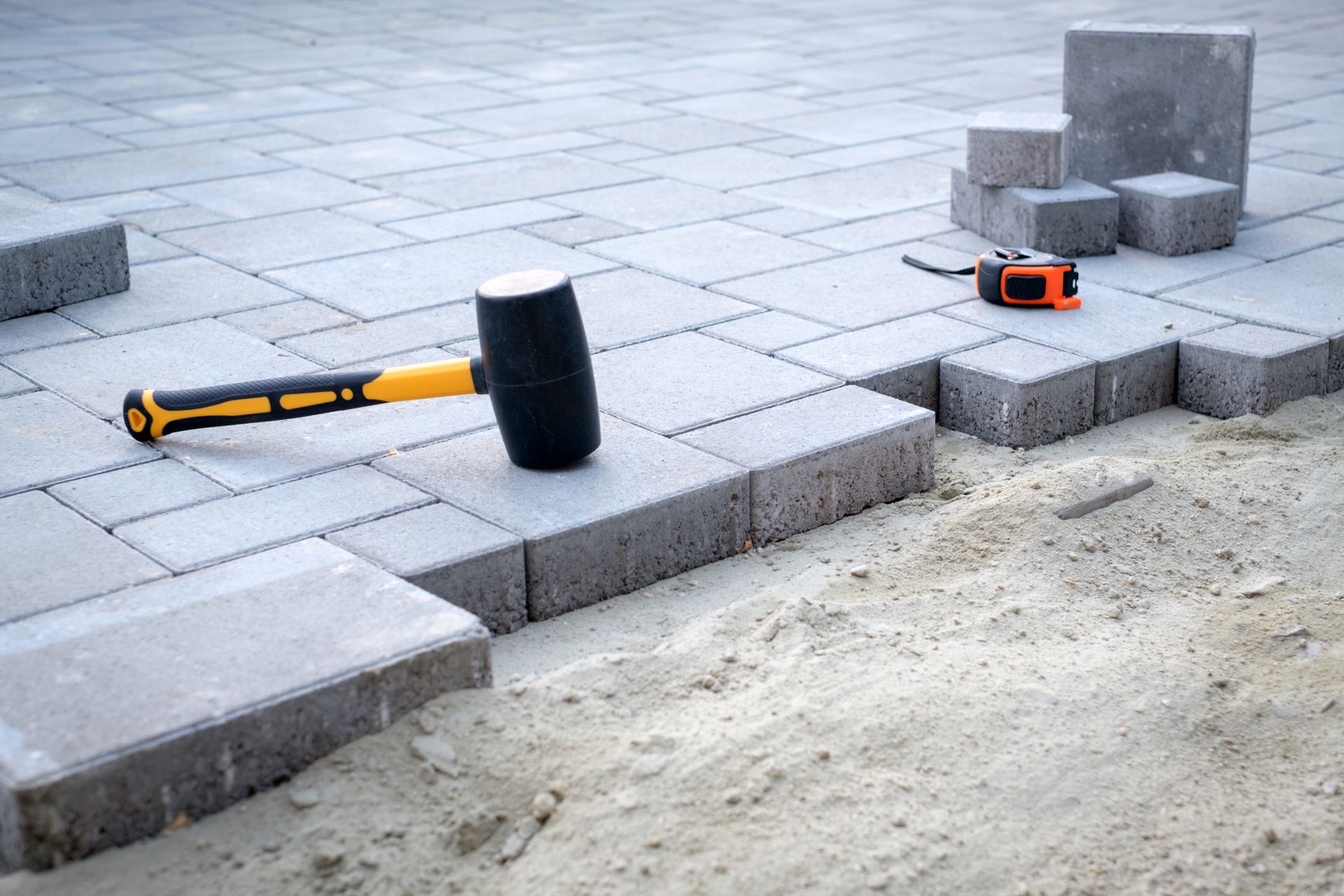
A strong, properly built base is everything.
- Typically includes compacted gravel layers
- Must be installed to the correct depth
- Needs to be properly graded
If the base is weak, you’ll see settling, shifting, and uneven surfaces within a few years.
Compaction
Compaction locks everything in place.
- Each layer of the base must be compacted properly
- Skipping this step leads to movement over time
Poor compaction = future sinking and instability.
Drainage
Water is the biggest threat to any patio.
- Proper slope prevents water from pooling
- A well-built base allows water to move through the system
Bad drainage leads to:
- Erosion under the patio
- Freeze-thaw damage
- Premature failure
Freeze-Thaw Cycles
In the Northeast, this is a major factor.
- Water expands when it freezes
- That expansion can shift or lift pavers
A properly installed paver system handles this better than concrete because it’s flexible.
Edge Restraints
Edge restraints keep everything locked in place.
Without them:
- Pavers spread outward
- Edges start to fail
- The patio loses its structure over time
Joint Sand (Polymeric Sand)
Joint sand fills the gaps between pavers.
- Helps lock pavers together
- Reduces weed growth
- Improves overall stability
If it breaks down, you may see movement or gaps forming.
Common Issues That Shorten Lifespan
Even a good-looking patio can fail early if these problems exist:
- Poor base preparation
- Inadequate compaction
- Improper drainage
- Missing or failing edge restraint
- Cheap or incorrect joint sand
- Lack of maintenance
These issues lead to:
- Settling
- Cracking appearance (uneven surfaces)
- Loose or shifting pavers
What Lasts Longer: Pavers or Concrete?
In most cases, pavers last longer than poured concrete.
Here’s why:
Pavers
- Flexible system that handles movement
- Individual units can be replaced
- Less prone to large cracks
- Better performance in freeze-thaw climates
Concrete
- Rigid slab
- Cracks over time (especially in cold climates)
- Harder and more expensive to repair
Concrete may be cheaper upfront, but pavers typically win long-term.
How Durable Are Concrete Pavers?
Concrete pavers are designed to handle:
- Heavy foot traffic
- Outdoor weather exposure
- Freeze-thaw cycles
- Weight and load distribution
They’re often stronger than poured concrete on a per-unit basis because of how they’re manufactured.
Durability isn’t usually the concern—installation is.
Maintenance: How to Make Your Patio Last Longer
Even a well-built patio benefits from basic upkeep.
Simple Maintenance Tips:
- Reapply joint sand when needed
- Keep the surface clean and free of debris
- Address minor settling early
- Seal pavers if recommended
Sealing isn’t required, but it can:
- Enhance color
- Reduce staining
- Extend surface life
Realistic Lifespan Expectations
Here’s a practical way to think about it:
- 5–10 years: No issues if installed correctly
- 10–25 years: Minor maintenance, possible small resets
- 25+ years: Still structurally sound if base was done right
Many patios don’t “fail”—they just need occasional adjustments.
The Bottom Line
If you’re asking how long paver patios last, the honest answer is:
As long as the installation is done right.
You can have the best materials in the world, but without proper base preparation, drainage, and compaction, the patio won’t last.
On the flip side, a properly installed paver system can last decades, handle harsh climates, and be easily repaired if needed.
Thinking About a Paver Patio or Walkway?
If you’re planning a patio or walkway, focus less on just the surface material and more on how it’s built.
That’s what determines whether it lasts 5 years… or 50.
Frequently Asked Questions
What type of patio is most durable?
Paver patios are typically one of the most durable options. Because they’re installed as individual units over a compacted base, they can handle movement, heavy use, and freeze-thaw cycles better than poured concrete, which is more prone to cracking.
What is the most low maintenance patio?
Concrete pavers and natural stone patios are both relatively low maintenance when installed correctly. Pavers may require occasional joint sand replacement, while natural stone may need sealing. Overall, pavers strike the best balance between durability and easy upkeep.
How long do concrete pavers last?
Concrete pavers can last 25–50+ years when installed with proper base preparation, compaction, and drainage. In many cases, they outlast poured concrete because they are more flexible and easier to repair.
Do paver patios require a lot of maintenance?
No, paver patios are considered low maintenance. Basic upkeep includes occasional re-sanding of joints, cleaning, and addressing minor settling early. Regular maintenance helps extend the lifespan significantly.
Why do paver patios sink or shift over time?
Sinking or shifting is usually caused by poor base preparation or inadequate compaction. If the foundation underneath the pavers isn’t built correctly, the surface will eventually settle or move.
Can paver patios be repaired, or do they need to be replaced?
Paver patios can almost always be repaired rather than replaced. Individual pavers can be lifted, the base corrected, and the area reset—making them much more cost-effective long-term than concrete.
Recent Posts