
Pavers vs. Bluestone vs. Travertine: Which Patio Material Is Right for Your Backyard?
If you’re trying to decide between pavers, bluestone, and travertine, here’s the straightforward answer:
- Go with pavers if you want affordability, flexibility, and easy repairs
- Choose bluestone if you want a natural, high-end look that handles Northeast weather well
- Pick travertine if you want a cooler surface with a luxury aesthetic, especially around pools
Now let’s break down exactly why—so you can make the right decision for your property.
Why We’re Qualified to Talk About This
At J&L Landscape Design, patio construction isn’t a side service—it’s the core of what we do. From paver patios to full natural stone builds using bluestone and travertine, we work with these materials every day across Dutchess County and surrounding areas .
We’ve seen how each material performs through real Northeast winters, freeze/thaw cycles, and long-term wear. This isn’t theory—it’s based on installs, repairs, and years of hands-on experience.
What’s the Difference Between Pavers, Bluestone, and Travertine?
Concrete Pavers
Manufactured stone made from concrete, designed for uniformity and durability.
Best for: Budget-conscious homeowners who want design flexibility
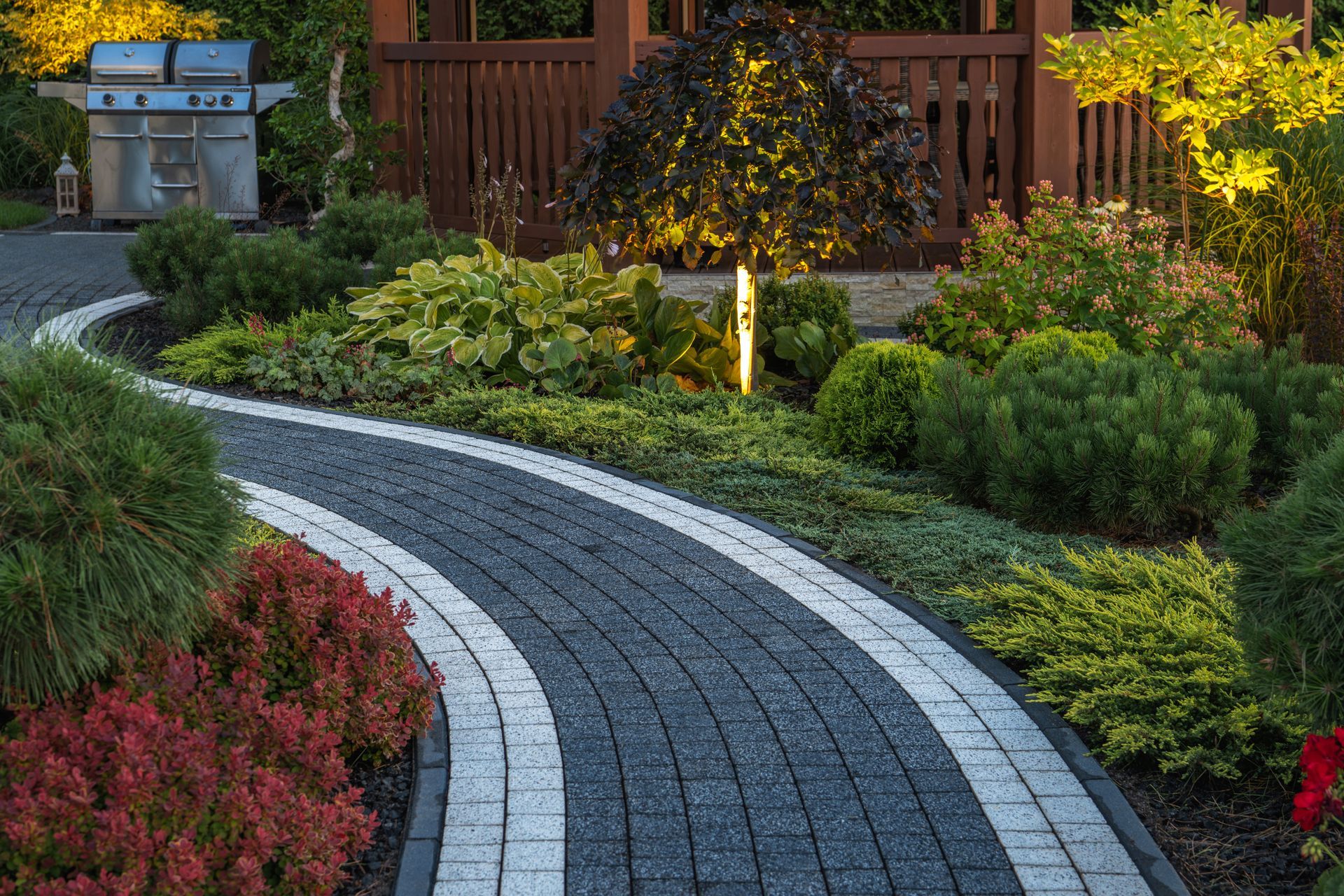
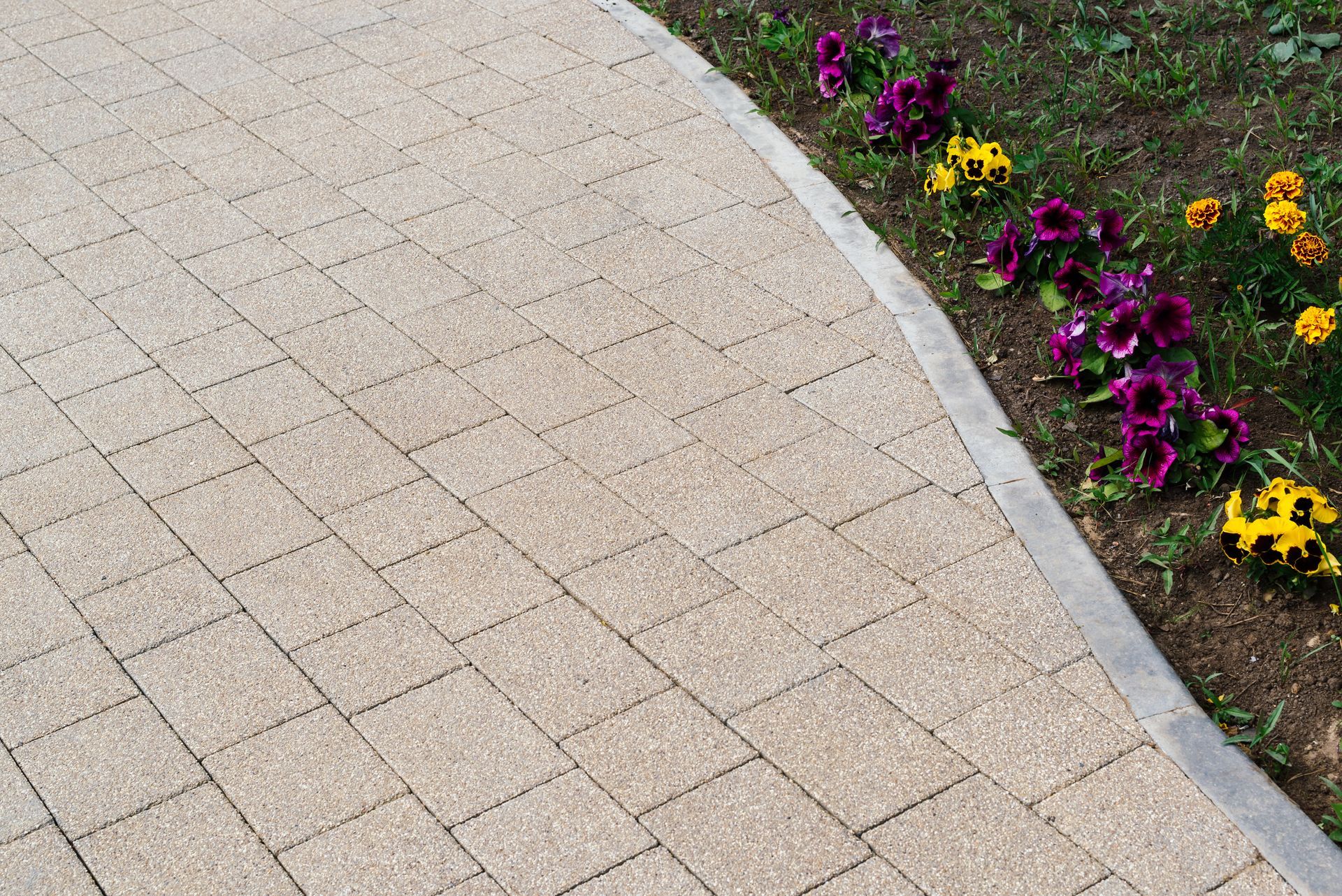
Look: Clean, consistent, modern or traditional depending on style
Bluestone
A natural stone (typically from the Northeast) known for its rich blue-gray tones.
Best for: Classic, high-end patios with a natural feel
Look: Irregular or thermal-cut slabs with color variation
Travertine
A natural limestone with a lighter, warmer tone.
Best for: Pool patios and luxury outdoor spaces
Look: Smooth, upscale, resort-style finish
Cost Comparison: Which Is More Affordable?
- Pavers: Most cost-effective overall
- Bluestone: Mid-to-high range depending on cut and thickness
- Travertine: Typically the most expensive material and install
Is bluestone cheaper than travertine?
In most cases, yes. Bluestone is generally less expensive than travertine, especially when factoring in material sourcing and installation complexity.
That said, pricing varies based on:
- Site prep requirements
- Base installation quality
- Pattern complexity
- Labor and access to the backyard
Durability: What Holds Up Best Over Time?
Freeze/Thaw Performance (Critical in the Northeast)
- Pavers: Excellent — flexible system allows movement without cracking
- Bluestone: Very good — dense stone, but can crack if improperly installed
- Travertine: Good — but more porous, requires proper sealing and base prep
What is the most durable stone for an outdoor patio?
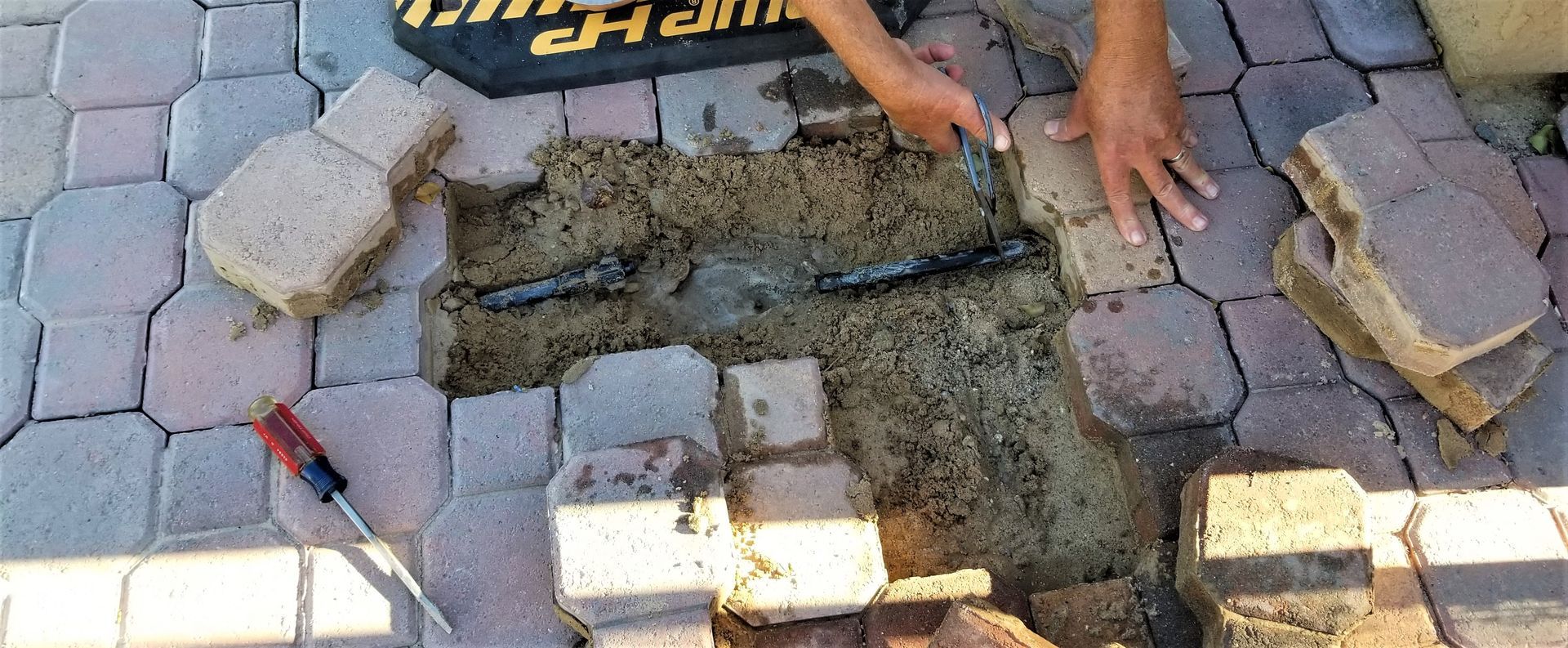
From a structural standpoint, pavers tend to be the most forgiving and durable system because they’re installed as individual units over a flexible base. If something shifts, it can be fixed without tearing out the whole patio.
Bluestone is highly durable but less forgiving. Travertine is durable in the right conditions but needs more maintenance.
Climate Considerations: Heat, Cold, and Comfort
Heat Retention (Summer Use)
- Pavers: Can get hot depending on color
- Bluestone: Holds heat, but less than dark pavers
- Travertine: Stays noticeably cooler — best for barefoot areas
Cold Weather (Winter Performance)
All three can perform well in cold climates if installed correctly. The biggest factor is not the material—it’s the base and drainage system underneath.
Poor installation will cause failure regardless of material.
Aesthetic Preferences: What Looks Best?
This comes down to personal taste, but here’s a practical breakdown:
- Pavers: Most design options (colors, patterns, borders)
- Bluestone: Timeless, natural, high-end Northeast look
- Travertine: Bright, clean, upscale “resort” feel
If you’re trying to match an older home or classic landscape, bluestone usually fits best.
If you want something modern or highly customized, pavers offer more flexibility.
If you want a luxury outdoor living space, travertine stands out.
Installation Differences (What Most Homeowners Overlook)
This is where the real separation happens.
Pavers
- Installed over a compacted base with sand or chip stone
- Faster installation
- Easier to repair or adjust
Bluestone
- Can be dry-laid or set in mortar
- Requires more precision
- Heavier and more labor-intensive
Travertine
- Typically installed similar to pavers or over a concrete base
- Requires careful handling due to porosity
- Needs sealing for longevity
Pros and Cons Breakdown
Pavers
Pros:
- Affordable
- Flexible and repairable
- Wide design options
Cons:
- Less “natural” look
- Can shift if base is poor
Bluestone
Pros:
- Natural, high-end appearance
- Strong and long-lasting
- Ideal for Northeast landscapes
Cons:
- Higher cost than pavers
- Can crack if improperly installed
Travertine
Pros:
- Cool underfoot
- Luxury aesthetic
- Slip-resistant options available
Cons:
- Higher cost
- Requires sealing and maintenance
- More sensitive to harsh climates
Is Bluestone Better Than Pavers?
Not necessarily—it depends on your priorities.
- If you want
low maintenance and flexibility, pavers are better
- If you want natural aesthetics and long-term value, bluestone is better
There’s no universal “best”—only what fits your budget, style, and expectations.
Final Thoughts: How to Choose the Right Material
If you’re still unsure, use this framework:
- Budget-first decision: Go with pavers
- Aesthetic-first decision: Go with bluestone
- Comfort + luxury decision: Go with travertine
The biggest mistake homeowners make is focusing only on the material. In reality, installation quality matters more than anything else. A properly installed paver patio will outperform a poorly installed bluestone or travertine patio every time.
Thinking About a Patio Project?
If you’re planning a patio and want help deciding what actually makes sense for your property—not just what looks good in photos—it’s worth talking through the options with someone who installs all three.
Getting the material right is important.
Getting the install right is what makes it last.
Recent Posts