
How Long Does Polymeric Sand Last Between Pavers?
Quick Answer: Polymeric sand that is installed correctly at full joint depth typically lasts 8 to 12 years or more. Poorly installed or shallow joints, or areas with bad drainage, can start failing in as little as 3 to 5 years. The single biggest factor is not the brand, it is the quality of the installation, the depth of the joints, and how well water drains away from the pavers. In the Hudson Valley, freeze-thaw winters and heavy rain make that drainage and install quality matter even more.
At J&L Landscape Design, we install paver patios, walkways, and driveways across Dutchess County and the Hudson Valley, and as Certified Unilock Installers, we set the joints that decide how long polymeric sand actually holds. Here is what determines its lifespan, the signs it is failing, and how to get the full decade or more out of it.
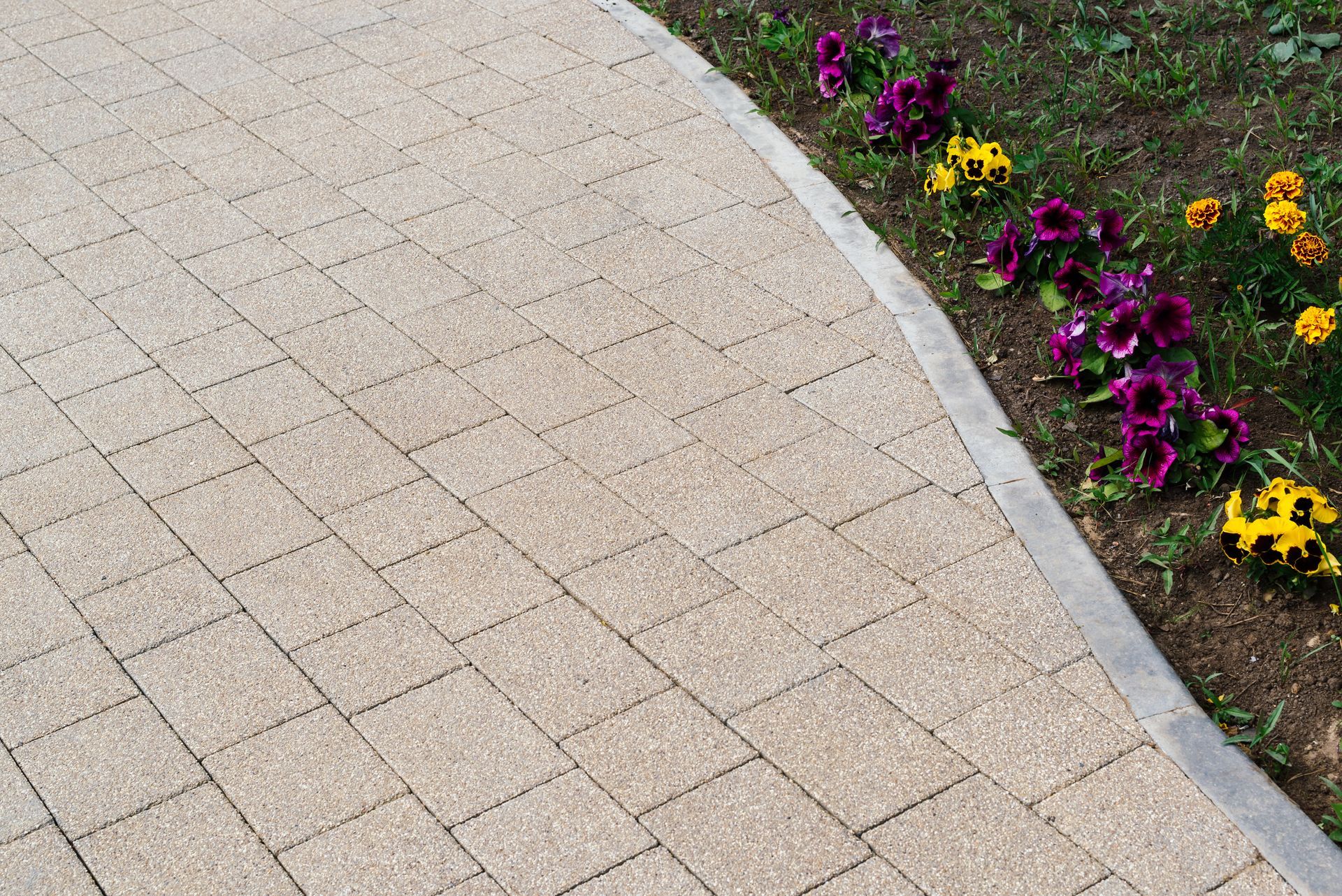
How Long It Really Lasts
Polymeric sand is a mix of fine sand and binding agents that hardens when it is activated with water, locking your pavers together and sealing the joints against weeds, ants, and erosion. It is a major upgrade over regular jointing sand, which washes out in a year or three, but it is not permanent.
The realistic range depends almost entirely on how it was installed and where it lives.
Lifespan by Install Quality
The numbers below show how much the install drives the outcome.
| Joint Condition | Typical Lifespan | Why |
|---|---|---|
| Proper full-depth install, good drainage | 8 to 12+ years | Sand cures fully and stays put |
| Shallow joints or poor drainage | 3 to 5 years | Binder never sets or washes out |
| Regular (non-polymeric) sand | 1 to 3 years | No binder; erodes with rain |
Why the Range Is So Wide
Two patios built with the same bag of sand can perform completely differently. The difference is not the product, it is whether the joints were the right depth, whether the sand was compacted and activated correctly, and whether water drains away instead of pooling. That is why lifespan is really a measure of installation quality more than anything you can buy off a shelf.
What Determines the Lifespan
If the install is the biggest factor, it is worth understanding the specific things that make or break it. Most premature failures trace back to one of a handful of causes.
These are the factors that decide whether your joints last three years or twelve.
- Joint depth: Shallow joints hold too little sand to stay stable; full-depth joints last far longer
- Water activation: Overwatering flushes the binder out, underwatering never activates it, so curing has to be done right
- Compaction: Sand that is not compacted stays fluffy, holds water unevenly, and deteriorates early
- Drainage: Standing water is the enemy; a properly pitched, well-based patio sheds water and protects the joints
- Joint width: Polymeric sand performs best in joints roughly a quarter inch to an inch and a half wide, not wider
The Base Underneath It All
None of these matter if the base is wrong. Polymeric sand is the last step of a paver installation, and it can only perform as well as the compacted base and bedding beneath the pavers. When pavers shift because the base was rushed, the joints crack and the sand fails no matter how good it was. This is the part homeowners never see and the part we will not cut corners on.
Signs Your Polymeric Sand Is Failing
Polymeric sand does not usually fail all at once. It shows warning signs first, and catching them early means a simple top-up instead of a full redo.
Walk your patio a couple of times a year and watch for these:
- Sand washing out of the joints, especially near downspouts, driveway edges, and low spots
- Weeds or moss returning in the joints, a sign the seal has broken down
- Ants nesting between pavers, which means they have found loose sand to tunnel through
- Gaps or crumbling where the joints have lost their firmness and pavers start to feel loose underfoot
Where Failure Starts
Failure almost always begins in the high-stress spots rather than across the whole patio. The edges where pavers meet a driveway, the areas under downspouts that take concentrated water, and heavy-traffic paths wear first. Those are the places to check and the places that may need occasional touch-ups even when the rest of the patio is fine.
How to Make It Last Longer
Getting the full lifespan out of polymeric sand is mostly about the install, but there are real steps that extend it once the patio is down. None of them are complicated.
A few habits protect the investment and push the joints toward that ten-plus-year mark:
- Ensure good drainage so water sheds off the pavers instead of pooling in the joints
- Clean gently, sweeping and using low pressure rather than blasting the joints out with a pressure washer
- Seal the pavers to add a protective layer over the sand, as we cover in our guide on whether pavers need to be sealed
- Top up high-stress joints early instead of waiting for a full failure
- Address weeds and ants promptly before they open the joints further
Repair Before You Replace
When joints do start to go, you rarely need to redo the whole patio. Failing sections can often be cleaned out and refilled, and a good installer can match the work to the existing surface. Catching it at the top-up stage is far cheaper than waiting until pavers have shifted and the base is affected.
The cost gap between the two is the reason to act early. Re-sanding a section of joints is a modest job, while a patio where the base has been compromised by years of water intrusion can mean lifting and resetting pavers, which is a different order of expense entirely. A small annual walk-through and a timely top-up is the cheapest insurance a paver patio has, and it is the difference between a joint problem and a base problem.
Why the Hudson Valley Is Hard on Joints
Our climate puts extra stress on paver joints, which is why install quality matters even more here than in a milder region. Two things in particular work against polymeric sand in Dutchess County and the wider Hudson Valley.
Understanding them explains why we are so particular about drainage and timing.
Freeze-Thaw and Winter
Repeated freezing and thawing drives water into the joints, where it expands as it freezes and works at any weak point over the winter. De-icing salt on walkways and driveways adds another stress. Sand that was installed shallow or never fully cured is exactly what our winters find and break down first, while a full-depth, properly cured joint handles the cycle far better.
The Installation Window
Polymeric sand also has to be installed in the right conditions: dry, with temperatures comfortably above freezing, ideally 50 degrees or warmer, and with dry weather before and after so it cures properly. In our climate that limits the window and makes timing part of the job. Rushing a joint in cold or damp conditions leaves it permanently weak, which is one more reason the season and the crew matter. You can see how we handle full paver installations on our
hardscape services page.
Get Paver Joints Built to Last
Whether you are planning a new patio or your existing joints are washing out, J&L Landscape Design installs and repairs paver surfaces built to hold up to Hudson Valley winters. We are a locally owned, family-run hardscape company serving Dutchess County and parts of Orange County, and Certified Unilock Installers. Call or text us at (845) 309-7650 for a free estimate.
Frequently Asked Questions
How long does polymeric sand last between pavers?
Properly installed at full joint depth, polymeric sand typically lasts 8 to 12 years or more. Shallow joints, poor drainage, or a rushed install can cut that to 3 to 5 years. It far outlasts regular jointing sand, which washes out in about 1 to 3 years, but its lifespan depends heavily on how it was installed.
What makes polymeric sand fail early?
The most common causes are installation problems: shallow joints, incorrect water activation, sand that was not compacted, and poor drainage that lets water pool in the joints. Joint width outside the recommended range and heavy pressure washing also shorten its life. Brand matters far less than getting the install right.
How do I know if my polymeric sand needs to be replaced?
Watch for sand washing out of the joints, weeds or moss returning, ants nesting between pavers, and joints that feel loose or crumbling. These signs usually start at edges, downspouts, and high-traffic areas. Caught early, they often call for a top-up rather than a full replacement.
Can I make my polymeric sand last longer?
Yes. Ensure water drains off the pavers, clean gently instead of blasting the joints with a pressure washer, seal the pavers to protect the sand, and top up high-stress joints before they fail. Good drainage and a quality install do the most, but this upkeep meaningfully extends the lifespan.
Does freeze-thaw weather affect polymeric sand?
Yes. In the Hudson Valley, repeated freeze-thaw cycles drive water into the joints and stress the sand, and de-icing salt adds to the wear. This is why proper full-depth installation, good drainage, and curing in the right conditions matter more here than in milder climates.
Title or Question
Describe the item or answer the question so that site visitors who are interested get more information. You can emphasize this text with bullets, italics or bold, and add links.
Recent Posts