
Paver Walkway Maintenance: A Seasonal Checklist for Hudson Valley Homes
A paver walkway needs a little attention each season, not constant work. In spring, check for winter heaving, refill joint sand, and clear debris. In summer, rinse off dirt, pull weeds early, and handle stains while they are fresh. In fall, keep leaves from sitting on the pavers, clear drains and downspouts, and fix any low spots before freezing. In winter, shovel with plastic or rubber-edged tools, use deicers sparingly and according to the paver maker's guidance, and avoid chipping ice with metal. A properly built walkway that gets this simple care can look good and stay level for decades.
J&L Landscape Design is a family-run hardscape and masonry company based in Wappingers Falls, building paver and natural stone walkways, patios, steps, and retaining walls across Dutchess County with in-house crews. We are Certified Unilock Installers and experienced Cambridge Pavers installers. We see what Hudson Valley winters do to walkways every spring, and this checklist is what we recommend to our own customers.
In This Guide
- Seasonal Maintenance at a Glance: A quick reference table.
- Spring: Recover From Winter: Inspection and joint care.
- Summer: Clean and Protect: Weeds, stains, and sealing.
- Fall: Prepare for Freeze and Thaw: Leaves and drainage.
- Winter: Snow, Ice, and Deicers: Protecting pavers in the cold.
- Cleaning Pavers the Right Way: Washing without damage.
- Natural Stone and Bluestone Walkways: What changes with stone.
- Front Steps and Stoops: The highest-wear area.
- Maintenance Mistakes That Shorten a Walkway's Life: Habits to avoid.
- When to Call a Professional: Problems that need repair.
- Frequently Asked Questions: Quick answers.
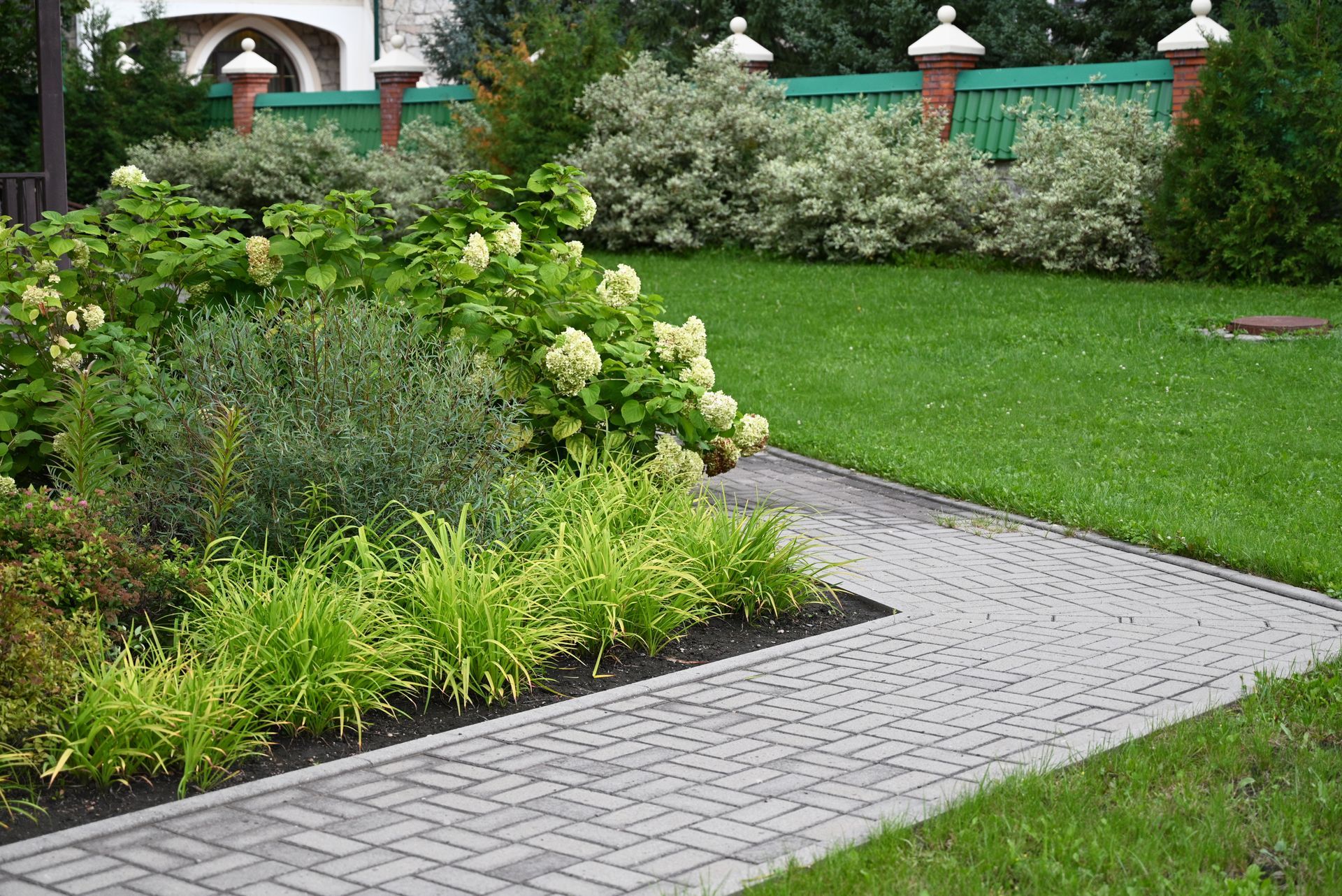
Seasonal Maintenance at a Glance
Here is the year at a glance. Most tasks take an hour or two at most for a typical front walkway.
| Season | Key Tasks | Why It Matters |
|---|---|---|
| Spring | Inspect for heaving and sinking, refill joints, clear debris | Winter freeze-thaw loosens joints and moves pavers |
| Summer | Rinse, pull weeds early, treat stains, consider sealing | Warm months are best for cleaning and sealing |
| Fall | Clear leaves, check drainage and downspouts, fix low spots | Water left in the base freezes and causes heaving |
| Winter | Shovel carefully, use deicers sparingly, avoid metal chippers | Prevents chips, scratches, and surface damage |
Spring: Recover From Winter
Spring is when you see what winter did to your walkway.
Spring Checklist
- Walk the path and look for pavers that have heaved up, sunk, or started to rock.
- Check the joints for missing sand, especially where snow was shoveled or plowed and along the edges where runoff flows.
- Sweep and clear winter grit, sand, and debris.
- Look at the edges to make sure they have not spread into the lawn or beds.
- Note any puddles after the first spring rains, since standing water points to a drainage or settling issue.
- Check steps and stoops for loose treads or caps.
Refilling Joint Sand
Joints that have lost sand let pavers move and give weeds a place to start. Refilling them with the right joint material and compacting it restores the interlock. If your walkway uses polymeric sand, follow the product's instructions carefully, since it needs dry pavers, proper watering, and the right temperatures to cure. Our guide on how long polymeric sand lasts explains when it needs to be replaced.
Minor Heaving
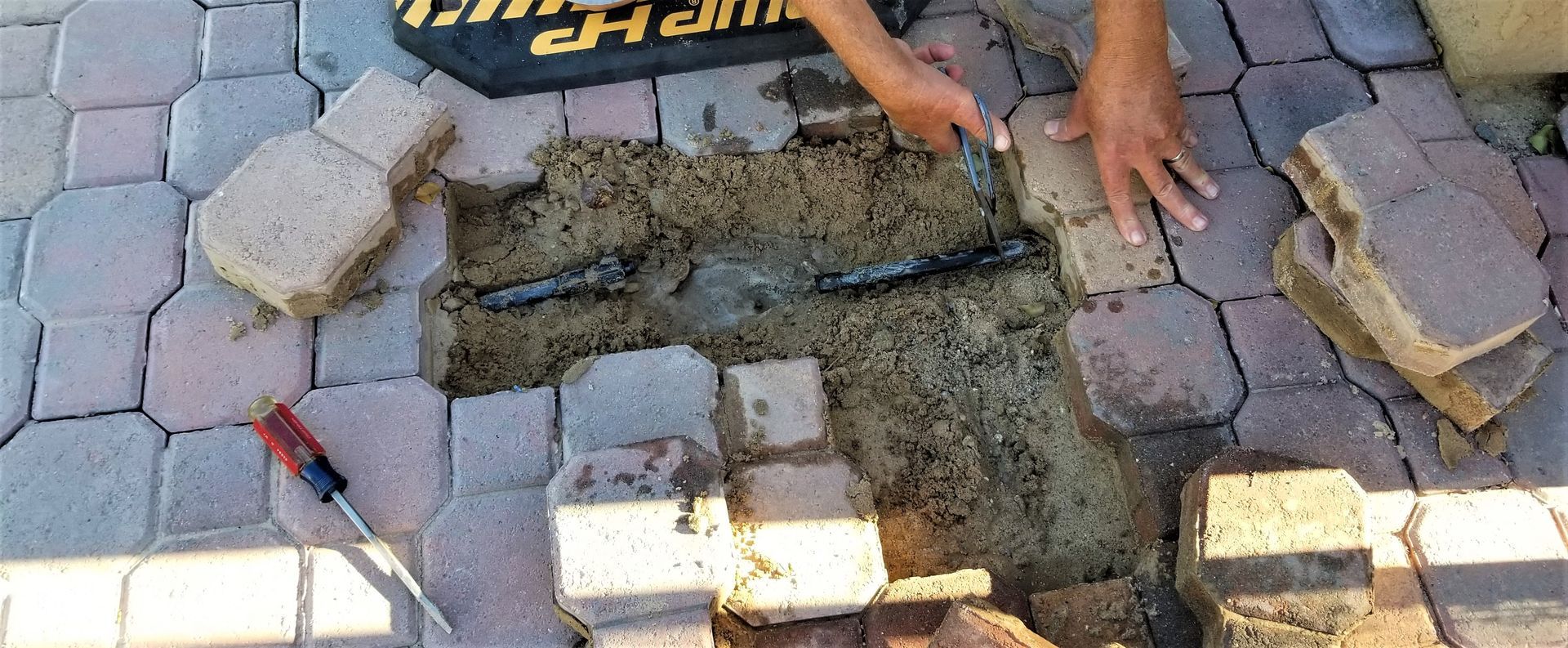
A paver lifted slightly by frost may settle back as the ground thaws. If it stays high, creates a trip edge, or keeps moving each winter, it should be reset. Our guide to
why pavers sink and how to prevent it explains what is happening below the surface.
Summer: Clean and Protect
Summer is the easiest season for walkway care and the best time for deeper cleaning.
Rinse and Sweep
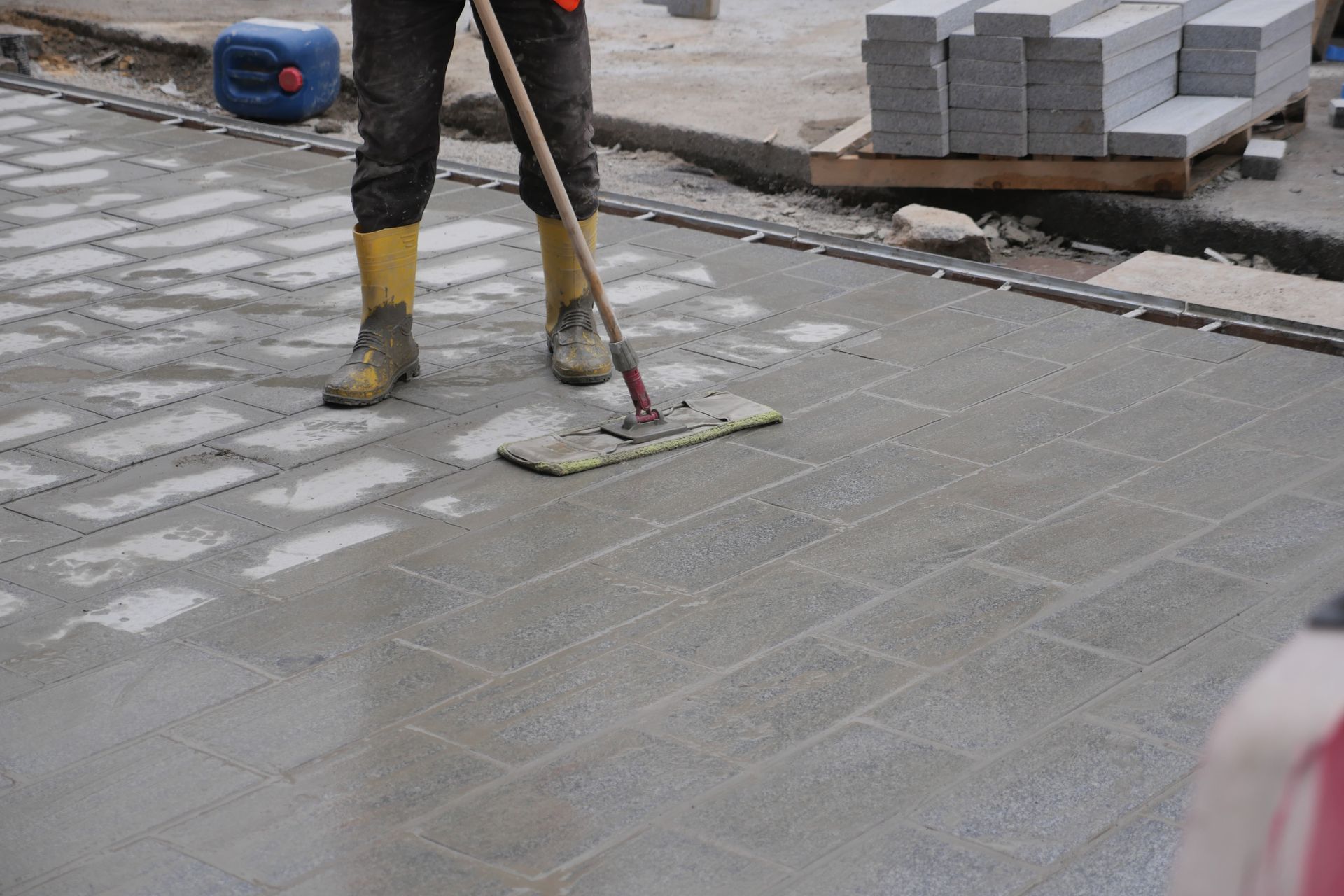
A regular sweep and an occasional rinse with a garden hose keep dirt from building up. Sweep in the direction of the joints rather than across them so you do not pull sand out. Most walkways need nothing more for much of the summer.
Pull Weeds Early
Weeds in paver joints are easiest to pull when they are small. Pull them by the root, then top off the joint so new seeds have less room to settle. Avoid pouring salt or harsh chemicals into the joints, since they can damage pavers, sealers, and nearby plants.
Moss in Shady Areas
Walkways on the north side of the house or under trees often grow moss. It can make pavers slippery. Gentle scrubbing and better sunlight or drainage help. If moss keeps returning, the area may be staying too wet.
Treat Stains Quickly
Oil, rust, grill grease, and fertilizer stains are easier to remove when fresh. Use cleaners made for concrete pavers, and test them on an inconspicuous spot first.
Consider Sealing
Sealing can enhance color, help resist stains, and help stabilize joint sand on some walkways. It is not required for every installation. Our guide on
whether pavers need to be sealed explains when it helps and when it does not.
Fall: Prepare for Freeze and Thaw
Fall work is about keeping water out of the base before winter.
Fall Checklist
- Clear leaves regularly. Wet leaves left on pavers can leave tannin stains, especially from oaks and maples.
- Check downspouts and make sure they are not dumping water onto or beside the walkway.
- Clean out any drains or channels near the path.
- Fix low spots where water collects before it can freeze in the base.
- Top off joint sand in any areas that lost material over the summer.
- Mark the edges with stakes if a plow or snowblower will be used nearby.
Why Fall Matters Most
Water is the main enemy of a paver walkway in the Hudson Valley. When water collects under pavers and freezes, it expands and lifts them. Getting drainage right in the fall prevents most of the heaving homeowners notice in spring.
Plan Where the Snow Will Go
Before the first storm, decide where shoveled and plowed snow will be piled. Piles on the uphill side of a walkway melt and run across it all winter, refreezing every night. Piling snow on the downhill side or onto the lawn keeps the walkway drier and safer.
Winter: Snow, Ice, and Deicers
Winter care is mostly about removing snow and ice without damaging the surface.
Shoveling and Snowblowing
Use plastic or rubber-edged shovels rather than bare metal blades, which can scrape and chip pavers. If you use a snowblower, set the skid shoes so the scraper bar rides slightly above the surface. Plow operators should know where walkway edges are so they do not catch the pavers. Marking edges with tall stakes before the first storm makes that easy, especially on long front walks.
Using Deicers
Most quality concrete pavers can handle common deicers when used in moderation, but follow your paver manufacturer's guidance. Avoid fertilizers or products containing ammonium compounds as deicers, since they can damage concrete. Use only as much as needed, and shovel away slush so it does not refreeze. Sand can improve traction but should be swept off in spring so it does not grind into the surface.
Do Not Chip Ice
Metal ice chippers and picks can chip the edges and faces of pavers. Let deicer do the work, or break thin ice carefully with a plastic tool.
Watch for Refreezing
Melting snow from roofs and nearby piles can run across walkways and refreeze overnight. Redirecting downspouts and keeping snow piles away from the path reduces icy patches.
Cleaning Pavers the Right Way
Pavers are durable, but aggressive cleaning can do more harm than good.
Pressure Washing
A pressure washer can clean pavers, but use a wide fan tip, moderate pressure, and keep the nozzle at a safe distance. Blasting directly into the joints removes joint sand and can etch the surface. After pressure washing, joints usually need to be refilled.
White Haze on New Pavers
A white, chalky haze on newer concrete pavers is often efflorescence, a natural mineral deposit that comes to the surface. It usually fades with time and weather. Cleaners made specifically for efflorescence can speed it up, but test them first.
What to Avoid
Avoid acid-based cleaners unless they are designed for your paver type, as they can etch concrete and natural stone. Never use wire brushes on the surface.
Natural Stone and Bluestone Walkways
Many Hudson Valley homes have bluestone or natural stone walkways, which need slightly different care.
Dry-Laid vs. Mortared
Dry-laid stone walkways, set on a gravel base with joints filled with stone dust or polymeric sand, are maintained much like pavers. Mortared walkways set on a concrete slab can develop cracked joints over time, especially through freeze-thaw cycles. Cracked mortar should be repaired before water gets underneath.
Deicers and Stone
Natural stone can be more sensitive to deicers than concrete pavers. Use them sparingly and rinse residue in spring. If you are choosing a material for a new walkway, our
walkway installation page explains the trade-offs between pavers and natural stone.
Front Steps and Stoops
Steps and stoops take the most wear of any part of a walkway, and they are where safety matters most.
What to Check
Look for loose treads or caps, gaps opening between the steps and the house, and any tread that rocks underfoot. Check that each riser is still level and that water drains off the treads instead of sitting on them, since standing water on a step turns to ice overnight.
Winter Care for Steps
Steps are the first place ice forms and the hardest to keep safe. Clear them first, use deicer sparingly on the treads, and avoid letting roof runoff drip onto them. A downspout or gutter that spills onto front steps is worth fixing before winter, not after the first fall.
Maintenance Mistakes That Shorten a Walkway's Life
These habits cause more damage than weather does:
- Ignoring missing joint sand until pavers start to move.
- Blasting joints with a pressure washer and not refilling them.
- Chipping ice with metal tools or shoveling with bare steel blades.
- Using fertilizer or ammonium-based products as deicers.
- Letting downspouts dump onto the walkway year after year.
- Covering problems with sand instead of repairing the base.
Avoiding these keeps a walkway level and looking good far longer.
When to Call a Professional
Routine maintenance is easy to handle yourself. Some problems are signs of something bigger.
Signs You Need a Repair
Call for a repair when pavers keep sinking or heaving in the same spot, when edges are spreading, when steps are loose or uneven, or when water consistently pools on the walkway. These usually point to base, drainage, or edge problems that cleaning and sand will not fix.
Repairs Are Usually Simple
One of the advantages of pavers is that they can be lifted, the base repaired, and the same pavers reset. A small repair is far less disruptive than replacing a poured concrete walk. Browse our
portfolio to see walkways and steps we have built and restored.
Get Help With Your Walkway
Whether your walkway needs a repair, a refresh, or a full replacement, our team can take a look and give you a clear plan. Learn more about our walkway installation and paver patio services, or read our FAQ.
Call J&L Landscape Design at (845) 309-7650 or
contact us for a free estimate. We are based in Wappingers Falls and serve homeowners throughout Dutchess County and select parts of Orange County.
Frequently Asked Questions
How often should paver walkways be maintained?
A quick check and sweep each season is usually enough. Plan on a closer inspection and joint refill in spring, regular cleaning in summer, leaf and drainage work in fall, and careful snow removal in winter.
Can I use salt on paver walkways?
Most quality concrete pavers can handle common deicers in moderation, but follow the manufacturer's guidance. Avoid products containing ammonium compounds, use only what you need, and rinse residue in spring. Natural stone may be more sensitive.
How do I keep weeds out of my paver walkway?
Keep joints full of sand or polymeric sand so seeds have nowhere to settle, pull weeds early while they are small, and fix low spots where water and debris collect.
Should I pressure wash my pavers?
You can, but use a wide fan tip, moderate pressure, and keep the nozzle at a safe distance. Pressure washing removes joint sand, so plan to refill joints afterward.
Why are my pavers turning white?
A white haze on newer concrete pavers is often efflorescence, a natural mineral deposit. It usually fades on its own over time and can be removed with a cleaner made for efflorescence if needed.
Recent Posts