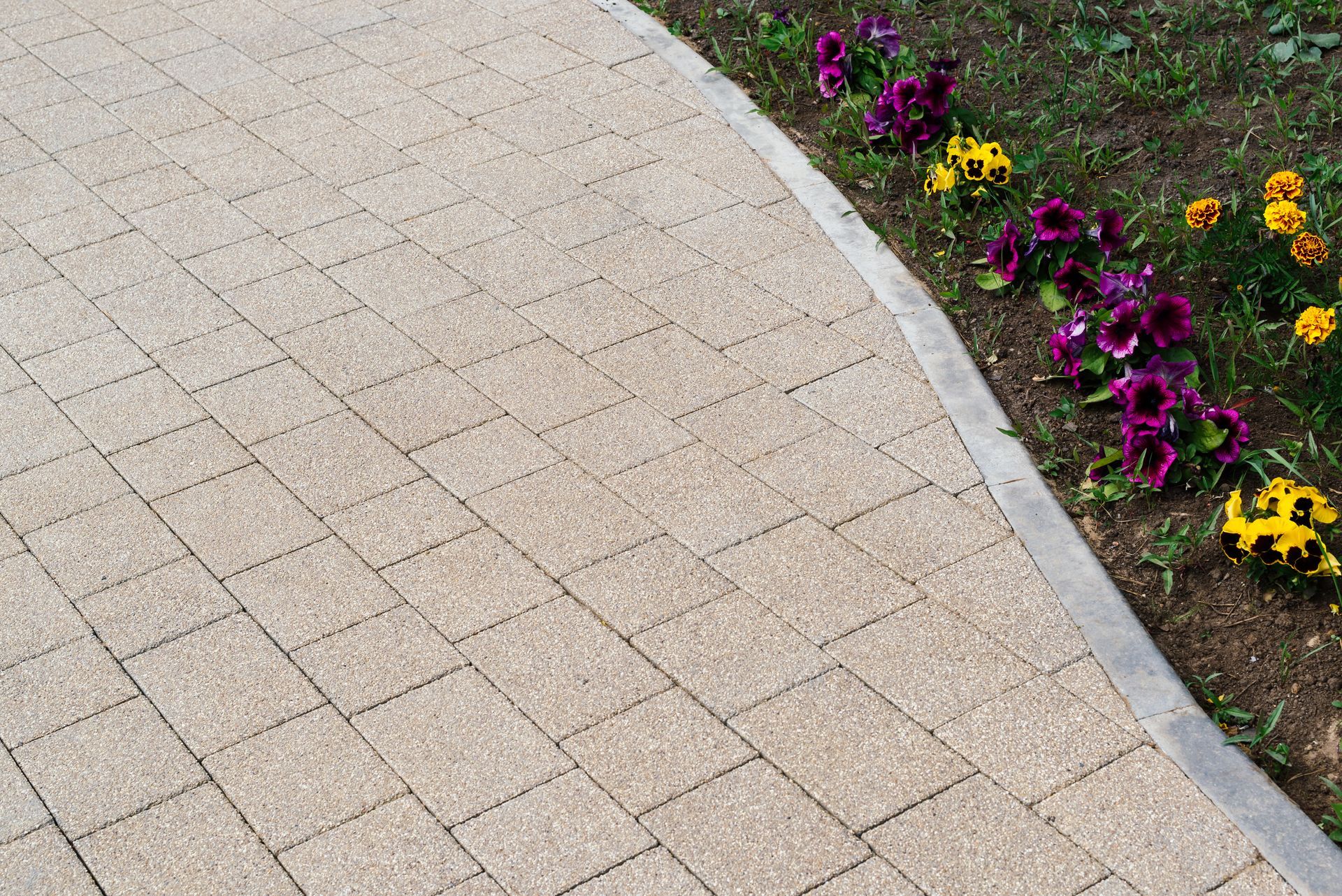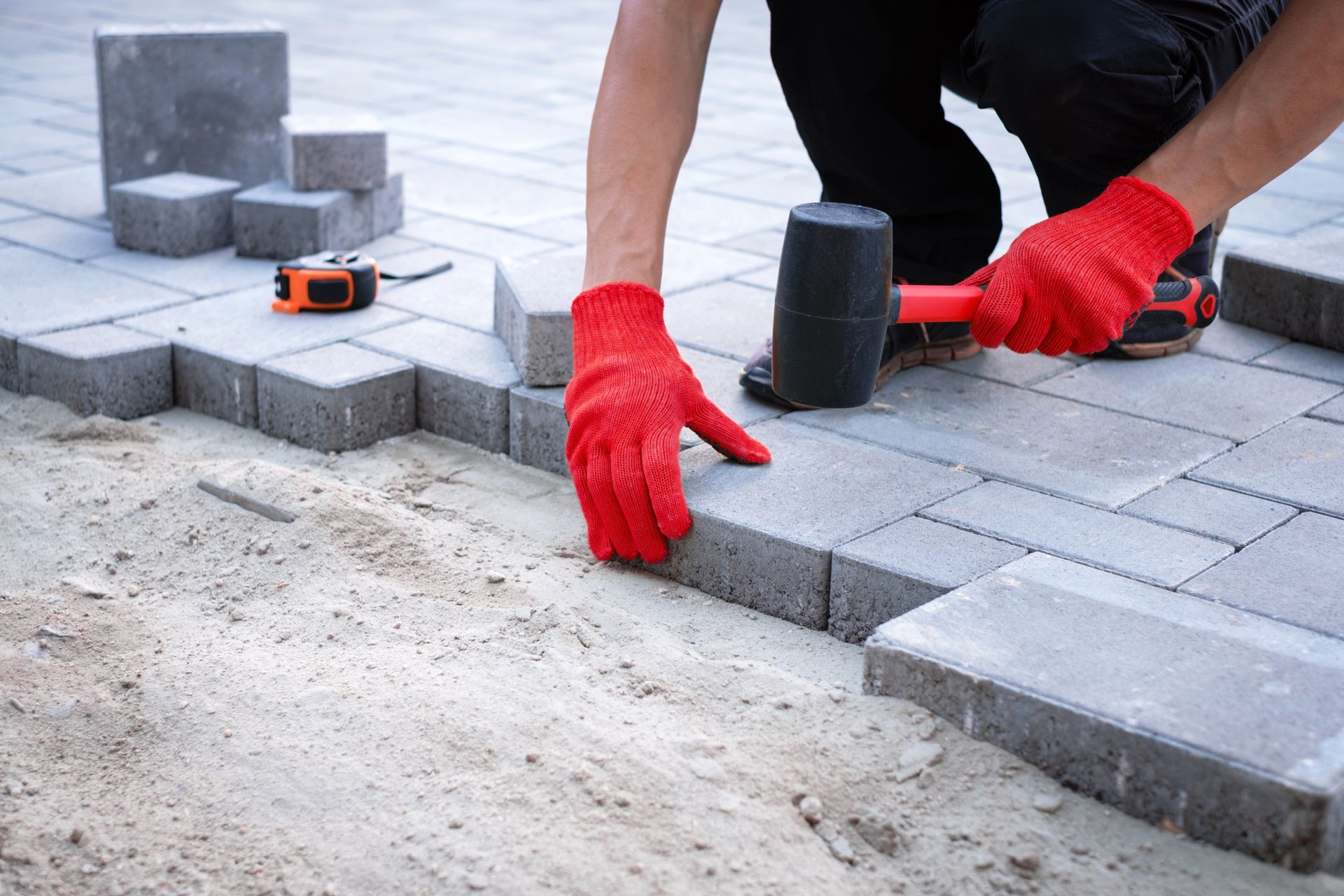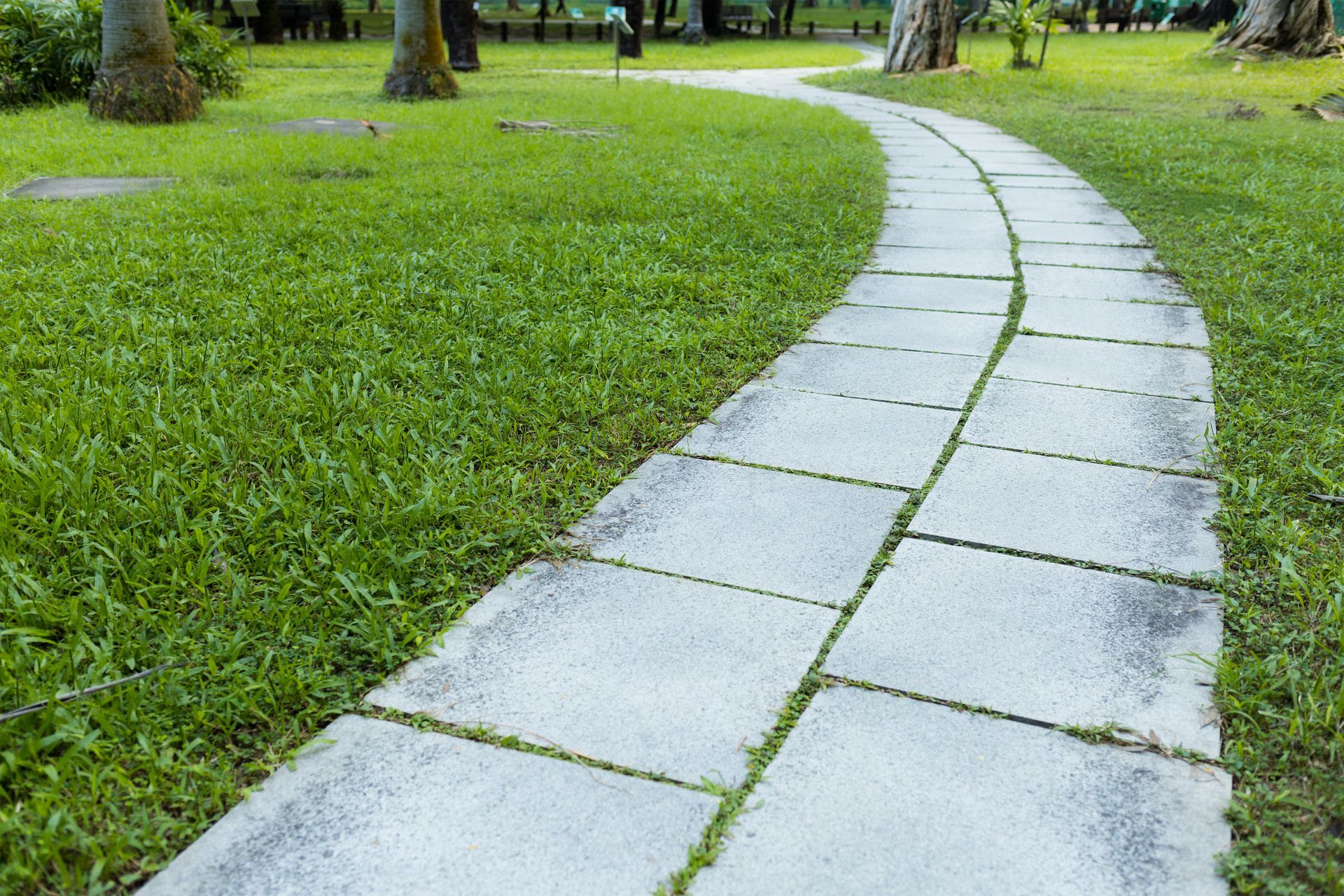

Do Pavers Need to Be Sealed? When Sealing Helps and When It Doesn't
Quick Answer: No, pavers do not need to be sealed to perform. Even the manufacturers we install, like Unilock and Cambridge, say sealing is not required for the pavers to last. Sealing is optional, and it is worth doing when it solves a real problem: protecting against stains, locking in joint sand, resisting fading, and standing up to freeze-thaw and winter salt. It is less necessary on a low-traffic patio or dense natural stone. The wrong time to seal is too soon after installation, before the pavers have cured, which is how you end up with a hazy white film.
At J&L Landscape Design, we build paver patios, walkways, and steps across Dutchess County and the Hudson Valley, and as Certified Unilock Installers and experienced Cambridge Pavers installers, we get asked about sealing on nearly every job. Here is the straight answer on when it helps, when it does not, and how to avoid the mistakes that ruin a good installation.
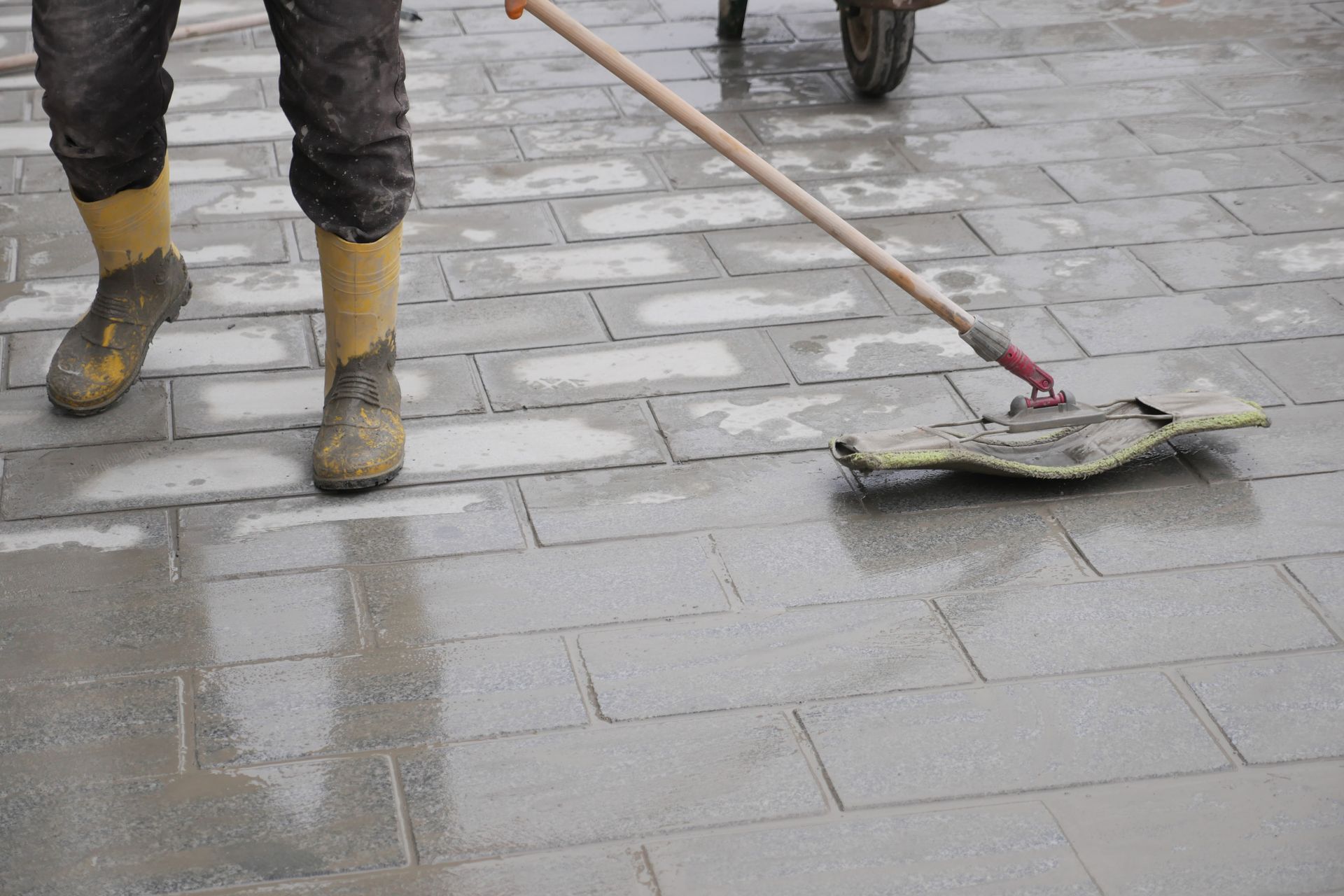
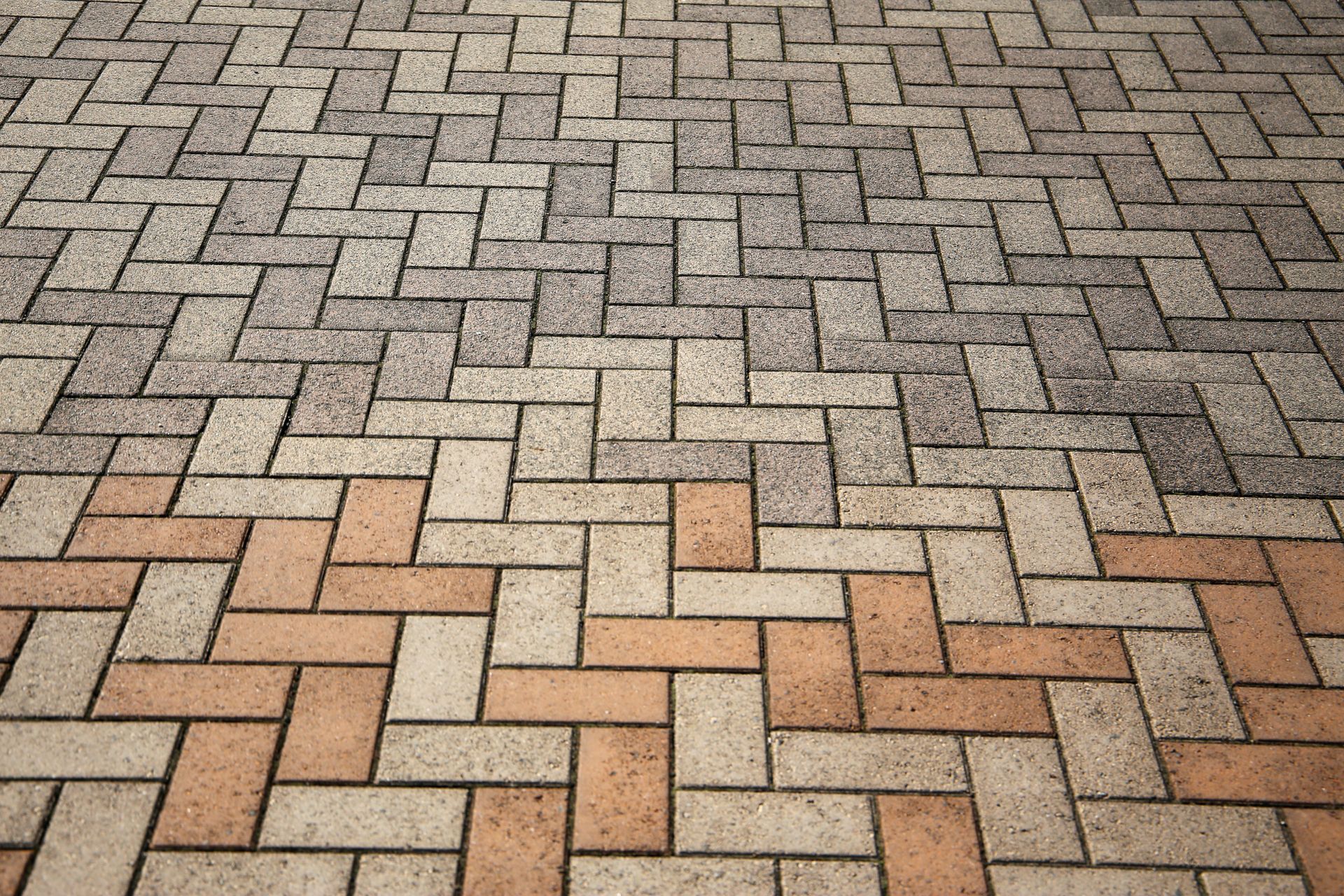
Do You Actually Have to Seal Pavers?
The straight answer, and one a lot of sealing companies will not lead with, is that sealing is optional. Quality pavers are engineered to hold up on their own, and the manufacturers we work with state plainly that their pavers do not require a sealer to perform. Your patio will not fall apart if you never seal it.
That does not make sealing pointless. It makes it a decision, one you weigh against how you use the space, your climate, and how much maintenance you want to do. Sealing is a follow-up that can improve a quality installation, not a repair that fixes a bad one, and no sealer can rescue pavers that were installed on a poor base.
What Sealing Actually Does
Before deciding, it helps to know what a sealer genuinely delivers. The benefits are real but specific, and they matter more on some projects than others.
A good sealer works on both the paver surface and the joints between them, which is where a lot of the value actually lives.
The Real Benefits
Here is what sealing a paver surface accomplishes:
- Stain resistance: Guards against oil, grease, food, and organic stains, which matters most on dining patios and driveways
- Color protection: Slows the UV fading that strong sun causes, keeping colored and decorative pavers looking richer longer
- Joint stabilization: Helps lock the polymeric sand in the joints, reducing the erosion, weeds, and ants that come with washed-out joints
- Moisture and mildew resistance: Reduces water absorption and the mildew that shows up in damp, shaded areas
Surface Look
Sealing also changes appearance, and you get to choose the direction. A film-forming sealer can give a wet look with a slight sheen and deeper color, while a penetrating sealer protects from within and keeps a natural, matte finish. Neither is objectively better; it comes down to the look you want and how much upkeep you accept, since film sealers show wear and need stripping before recoating.
What Sealing Costs
Sealing is a modest expense next to the patio itself. Professional paver sealing commonly runs somewhere around $0.75 to $2 per square foot depending on the sealer, the surface, and prep work, and it is repeated every few years rather than once. Weighed against the cost of replacing washed-out joint sand, cleaning set-in stains, or lifting and resetting pavers, that periodic cost is minor, which is part of why it makes sense on the surfaces that actually face those problems and less sense on the ones that do not.
When Sealing Is Worth It in the Hudson Valley
Our climate tilts the decision more toward sealing than a mild region would. Between freeze-thaw winters and the salt that ends up on driveways and walkways, Hudson Valley pavers face stresses that a sealer genuinely helps with.
The table below lines up common situations with whether sealing tends to pay off here.
| Situation | Seal? | Why |
|---|---|---|
| Driveway or high-traffic area | Usually worth it | Salt, traffic, and freeze-thaw wear joints faster |
| Colored or decorative pavers | Usually worth it | Slows UV fading and keeps color rich |
| Dining patio or pool deck | Usually worth it | Resists food, oil, and moisture stains |
| Low-traffic, natural-look patio | Optional | Little to protect against; aging looks intentional |
| Dense natural stone | Depends | Bluestone and travertine absorb differently; confirm product |
The Freeze-Thaw and Salt Case
The strongest argument for sealing in our area is winter. Repeated freeze-thaw cycles drive water into joints and surfaces, and de-icing salt is hard on both pavers and the sand between them. A quality sealer reduces water absorption and helps hold the joint sand in place, which is exactly the wear our winters accelerate. If your pavers see winter salt, sealing earns its keep.
When You Can Skip It
Sealing is not for every project, and there are good reasons to leave pavers unsealed. If none of the benefits above apply to your situation, you are not missing much by skipping it.
The two most common cases where we tell homeowners sealing is optional are worth spelling out.
Low-Traffic and Natural-Look Patios
A quiet backyard patio that does not see food spills, heavy traffic, or intense sun has little for a sealer to protect against. And if you like the natural, weathered look pavers take on as they age, sealing works against that aesthetic. Plenty of beautiful, durable patios are never sealed.
Certain Natural Stone
We install a lot of bluestone and travertine, and natural stone is a different conversation than concrete pavers. Different stones absorb sealer at different rates, and the wrong product can discolor or trap moisture. If you have natural stone, the answer is not automatic, and the right move is confirming a product suited to that specific stone before anything goes down.
How Sealing Goes Wrong
When sealing damages a patio, it is almost always an application problem, not a product problem. Knowing the failure modes helps you avoid them, whether you seal yourself or hire it out.
These are the mistakes that turn a good patio into a hazy, patchy one:
- Sealing too soon: New pavers need to cure, and efflorescence, a natural salt haze, has to work its way out first; sealing over it traps the haze permanently
- Trapping moisture: Sealing damp pavers or over-applying seals water in, causing a whitish film
- Wrong weather: Sealing on a humid, cold, or windy day interferes with curing and can blow sealer onto plants
- Incompatible product: Using a concrete-paver sealer on natural stone, or layering over an old incompatible sealer, causes haze and patchiness
Give New Pavers Time
The most common question we get is how soon a new patio can be sealed. Current manufacturer guidance is generally around 30 days, which lets the joints fully cure and gives efflorescence time to clear. A simple test area first is cheap insurance. This is also where a professional install pays off, since we prepare the joints properly with the polymeric sand covered in our guide on
how long polymeric sand lasts, and we can advise on sealing that fits your specific pavers and site through our
hardscape services.
Get Expert Advice on Your Pavers
Whether you are planning a new patio or wondering if your existing one should be sealed, J&L Landscape Design can give you a straight answer based on your pavers, your site, and our Hudson Valley climate. We are a locally owned, family-run hardscape company serving Dutchess County and parts of Orange County, and Certified Unilock Installers. Call or text us at (845) 309-7650 for a free estimate.
Frequently Asked Questions
Do pavers really need to be sealed?
No. Quality pavers, including the Unilock and Cambridge products we install, are built to last without sealing, and manufacturers confirm sealing is not required to perform. Sealing is optional and beneficial in the right situations, such as driveways, colored pavers, dining areas, and freeze-thaw climates, but it is a choice, not a requirement.
How long should I wait to seal new pavers?
Generally about 30 days, following current manufacturer guidance. New pavers need time to cure, and efflorescence, the natural white salt haze, needs to work its way out first. Sealing too soon can trap that haze permanently, so waiting and doing a small test area first is the safe approach.
How often do pavers need to be resealed?
Most homeowners reseal every three to five years, depending on traffic, sun exposure, and the product used. High-use areas like driveways may need it sooner. Film-forming sealers show wear and may need stripping before recoating, while penetrating sealers tend to age more gracefully.
Does sealing pavers stop weeds and ants?
It helps but does not guarantee it. Sealing stabilizes the polymeric sand in the joints, which reduces the gaps where weeds sprout and ants nest. Combined with a proper joint installation and good drainage, it significantly cuts down on both, though no surface is completely weed- or ant-proof.
Will sealing make my pavers slippery or change their color?
It can do both, depending on the sealer. Film-forming sealers add a slight sheen, deepen color for a wet look, and can be more slippery when wet, while penetrating sealers keep a natural matte finish and minimal color change. Choose based on the look you want and where the pavers are, such as around a pool.
Recent Posts