
Common Patio Design Mistakes Homeowners Regret Later
The most common patio design mistakes are sizing it wrong, ignoring drainage and grading, skimping on the base, choosing the wrong material for the use, forgetting how the space connects to the house and yard, and hiring on price alone. Each one is avoidable with a little planning, and each one is far cheaper to prevent than to fix after the patio is built. This guide covers the mistakes we see most and how to steer clear of them.
At J&L Landscape, we are a family-owned, licensed and insured hardscape company that designs and builds patios across Dutchess County and the Hudson Valley, from Poughkeepsie and Wappingers Falls to Fishkill, Hyde Park, and Rhinebeck. Because we run our own in-house crew and often get called to fix patios built by others, we see exactly which mistakes lead to regret, so the list below comes from real projects, not theory.
Start with the biggest mistakes, then see how to avoid them before you build.
In This Guide
- The mistakes that cause the most regret: The big ones, ranked by impact.
- The mistakes at a glance: Mistake, consequence, and fix.
- Function and layout mistakes: Getting size and flow wrong.
- Technical mistakes that cause failure: Drainage, base, and grading.
- Design and material mistakes: Choices you live with for years.
- Hiring and planning mistakes: The costliest of all.
- How to avoid these mistakes: A simple approach that works.
- Frequently asked questions: Quick answers to common questions.
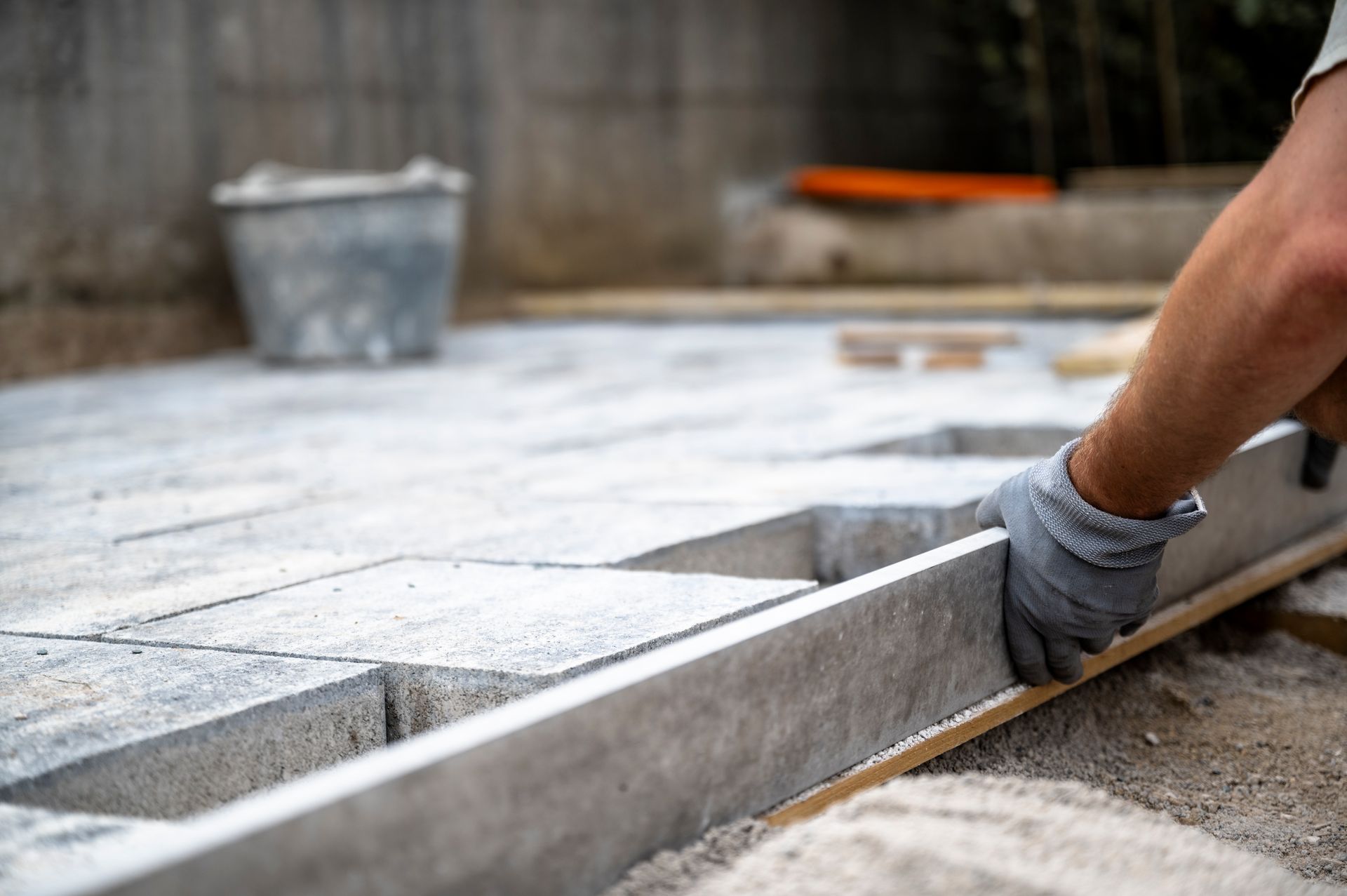
The Mistakes That Cause the Most Regret
Some patio mistakes are cosmetic and easy to live with. Others cause lasting frustration or expensive repairs. These are the ones homeowners tell us they wish they had avoided.
The High-Impact Mistakes
The costliest mistakes tend to be the ones hidden below the surface or baked into the basic plan. They are hard to reverse once the patio is built.
- Building it too small for how the space is actually used.
- Ignoring drainage, which leads to pooling, ice, and base failure.
- Skimping on the base, causing settling and shifting.
- Hiring the cheapest bid without checking the work behind it.
Get these four right and you avoid the vast majority of patio regret. The rest of this guide breaks them down along with the smaller mistakes worth avoiding.
The Mistakes at a Glance
This table connects each common mistake to what it leads to and how to prevent it.
| Mistake | What It Leads To | How to Avoid It |
|---|---|---|
| Building too small | Cramped, unused space | Sketch furniture to scale first |
| Ignoring drainage | Pooling, ice, base erosion | Design a deliberate slope |
| Skimping on the base | Settling and shifting | Full, compacted base |
| Wrong material choice | Slippery or high-upkeep surface | Match material to use and climate |
| Poor flow and placement | Awkward, underused patio | Plan connections and sun early |
| Hiring on price alone | Skipped steps, early failure | Vet licensing, insurance, scope |
The pattern is clear: most regret comes from rushing the plan or cutting corners on the build. Slowing down at those two points prevents nearly all of it.
Function and Layout Mistakes
The most common regret is not about looks, it is about how the patio works day to day. A beautiful patio that is too small or awkward to use is still a failure.
Building the Patio Too Small
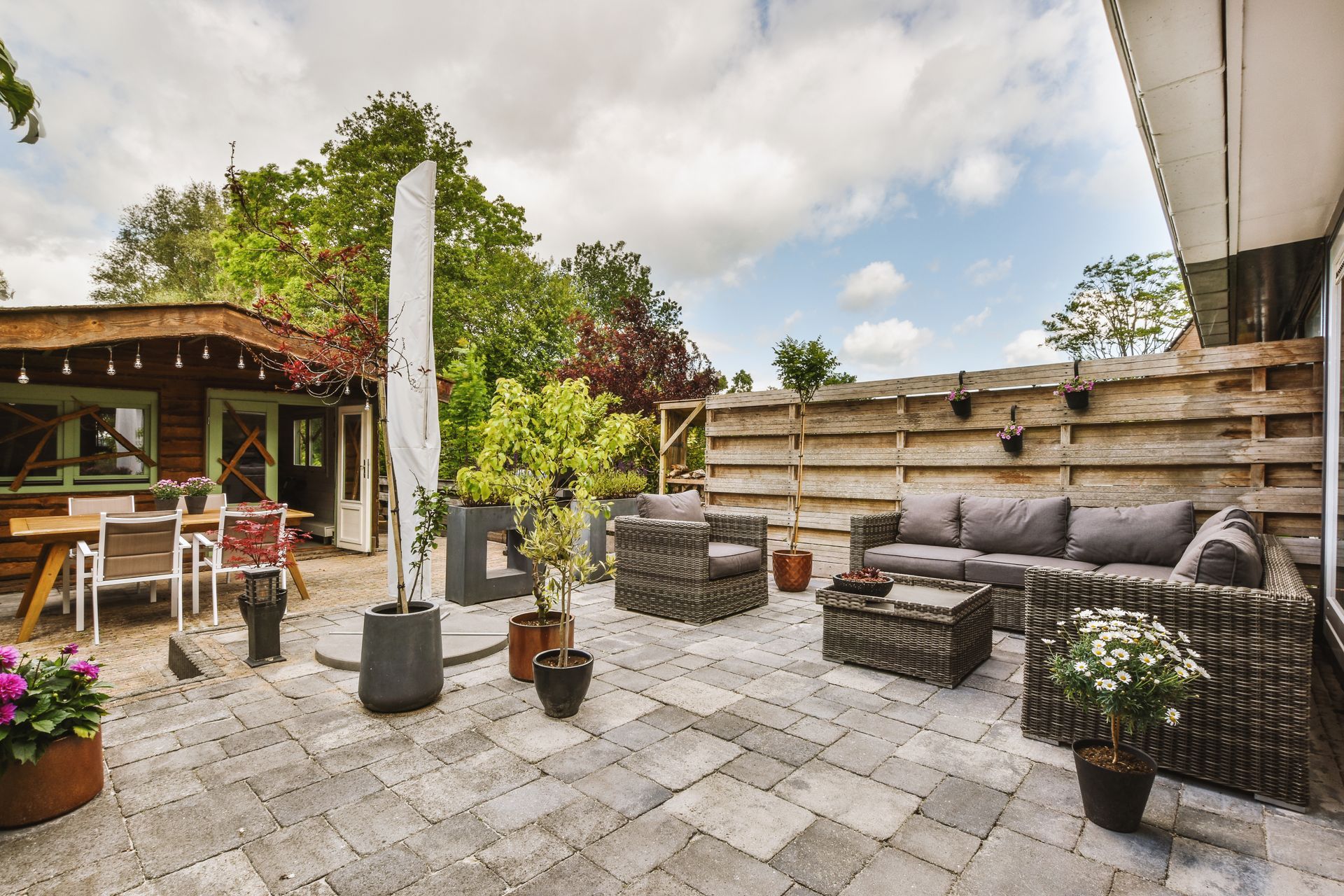
Undersizing is the single most frequent mistake. A patio that looked big enough on paper often cannot fit a dining table with chairs pulled out plus room to walk around.
As a rule, sketch the actual furniture at scale before setting the dimensions. It is far cheaper to add a few feet during planning than to extend a finished patio later.
A useful benchmark is to allow generous clearance around every piece of furniture, since people need room to push back chairs, walk behind seated guests, and move between zones. Patios almost always feel smaller once furnished than they looked as empty space, so erring larger is the safer mistake.
Ignoring How the Space Flows
A patio does not exist in isolation. Poor connections to the house, the kitchen, and the yard make a space feel awkward no matter how well it is built.
Think about the walking paths people will actually take, the door they will use, and how the patio ties into the rest of the landscape. Our guide on how to plan a patio layout covers zoning and flow in depth.
Forgetting Sun, Shade, and Privacy
A patio placed without thinking about sun exposure can be unusable at the exact times you want to use it. West-facing spaces bake in the late afternoon, while heavily shaded ones stay damp.
Consider where the sun and shade fall through the day, and whether you need privacy from neighbors, before committing to a location.
Technical Mistakes That Cause Failure
These are the mistakes you cannot see, and they are the ones most likely to turn into expensive repairs. They come down to what happens below and around the pavers.
Ignoring Drainage and Grading
Water is the leading cause of patio problems. A patio that does not shed water correctly collects puddles, grows slick in shade, ices over in winter, and slowly erodes its own base.
Every patio needs a slight, deliberate slope to move water away from the house and off the surface. Skipping this is one of the most regretted shortcuts, and it is nearly impossible to fix cleanly after the fact.
Just as important is where the water goes once it leaves the patio. Directing runoff toward a lawn area or drainage feature, rather than toward the foundation or a neighbor, is part of a proper design. In our clay-heavy Hudson Valley soil, water that has nowhere to go simply sits and works its way back under the pavers.
Cutting Corners on the Base
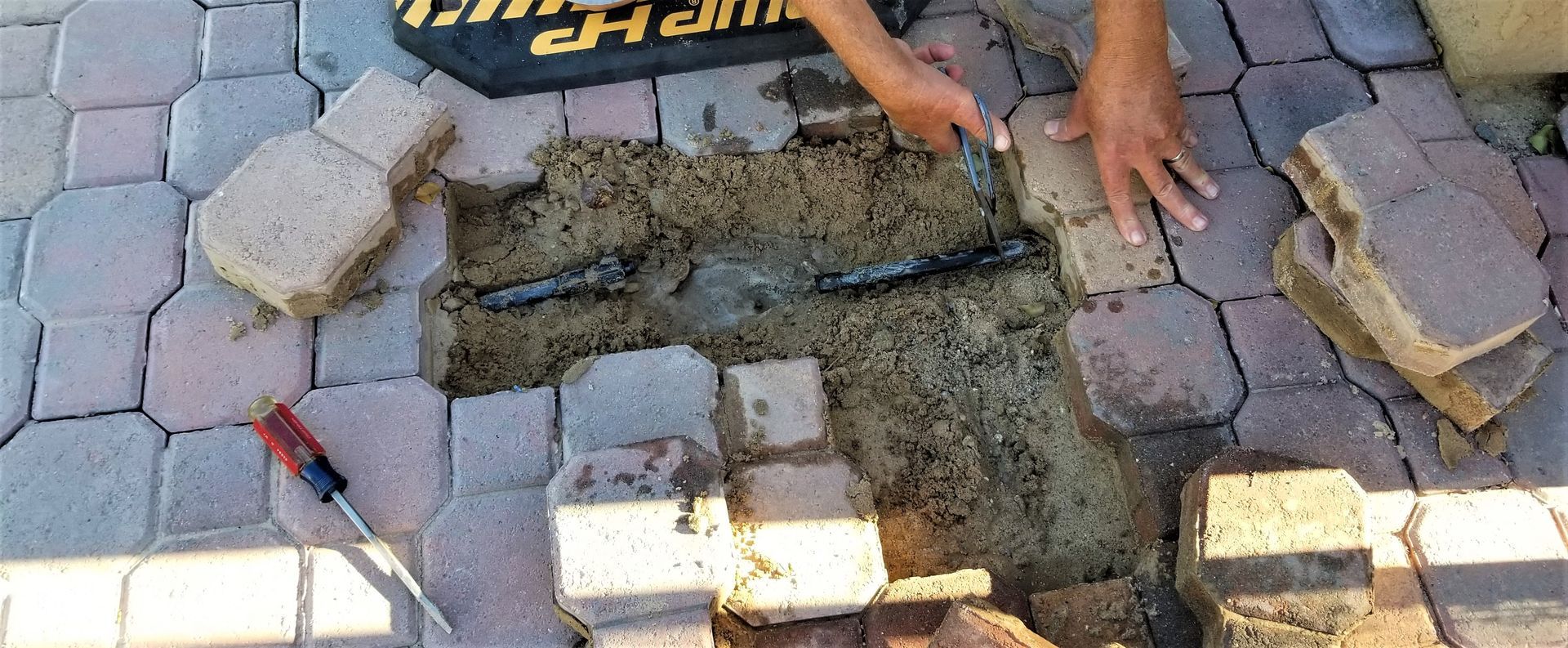
The base is the foundation, and it is where cut-rate installs save money at your expense. An inadequate or poorly compacted base leads to settling, dips, and shifting within a few seasons.
Because base and material choices deserve real attention, we cover them separately, but the short version is that the base is never the place to economize. It is the part carrying everything above it.
The frustrating part is that base problems are invisible at handoff. A patio built on a thin base looks identical to one built correctly on day one, and the difference only shows up a season or two later as dips and lifted pavers. That is exactly why it is such a common regret.
Not Planning for Freeze-Thaw
In the Hudson Valley, a patio has to survive repeated freezing and thawing. A design that ignores our climate, with a shallow base or trapped water, heaves and shifts once winter sets in.
Building for the local climate from the start is what separates a patio that lasts decades from one that needs attention after a couple of winters.
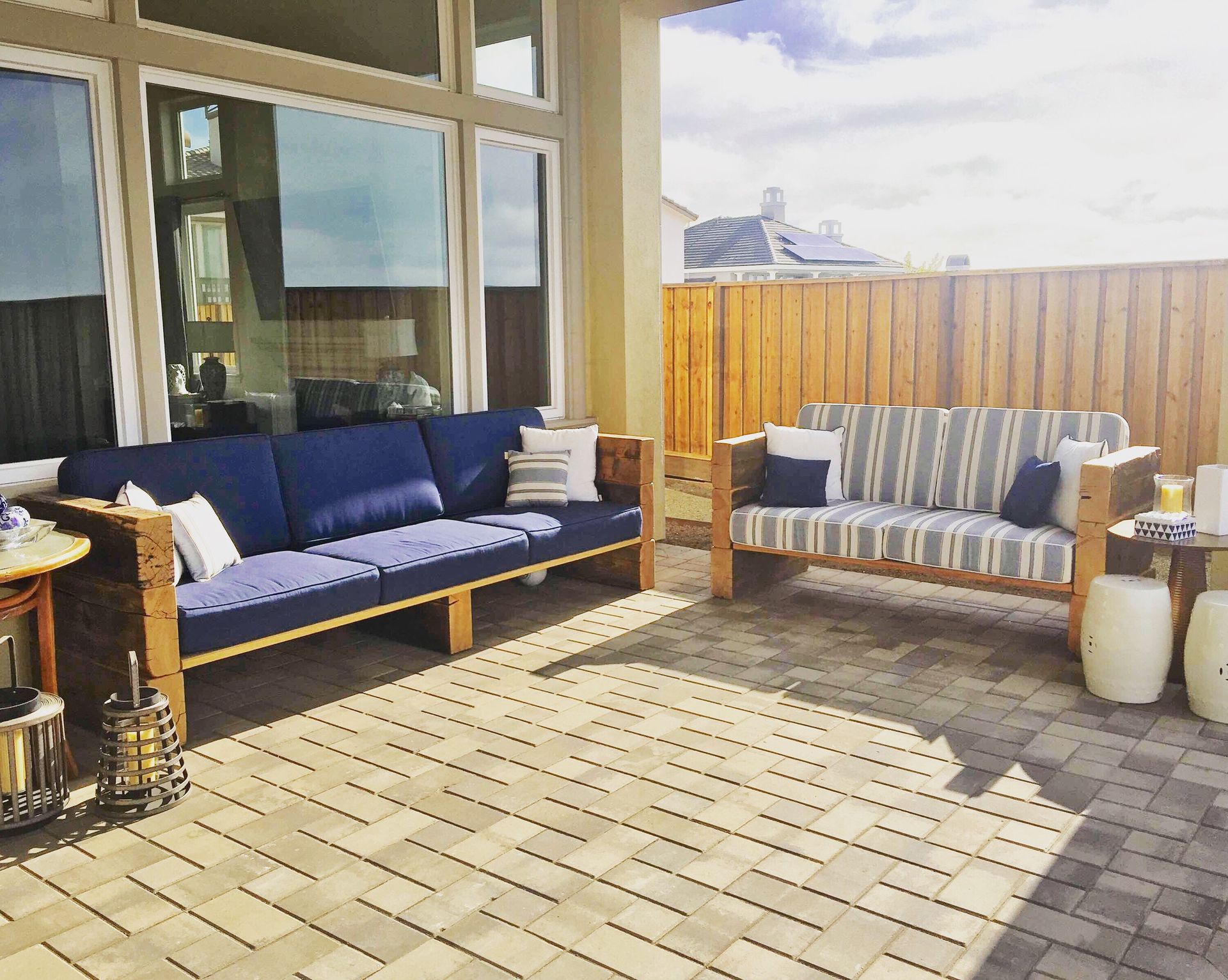
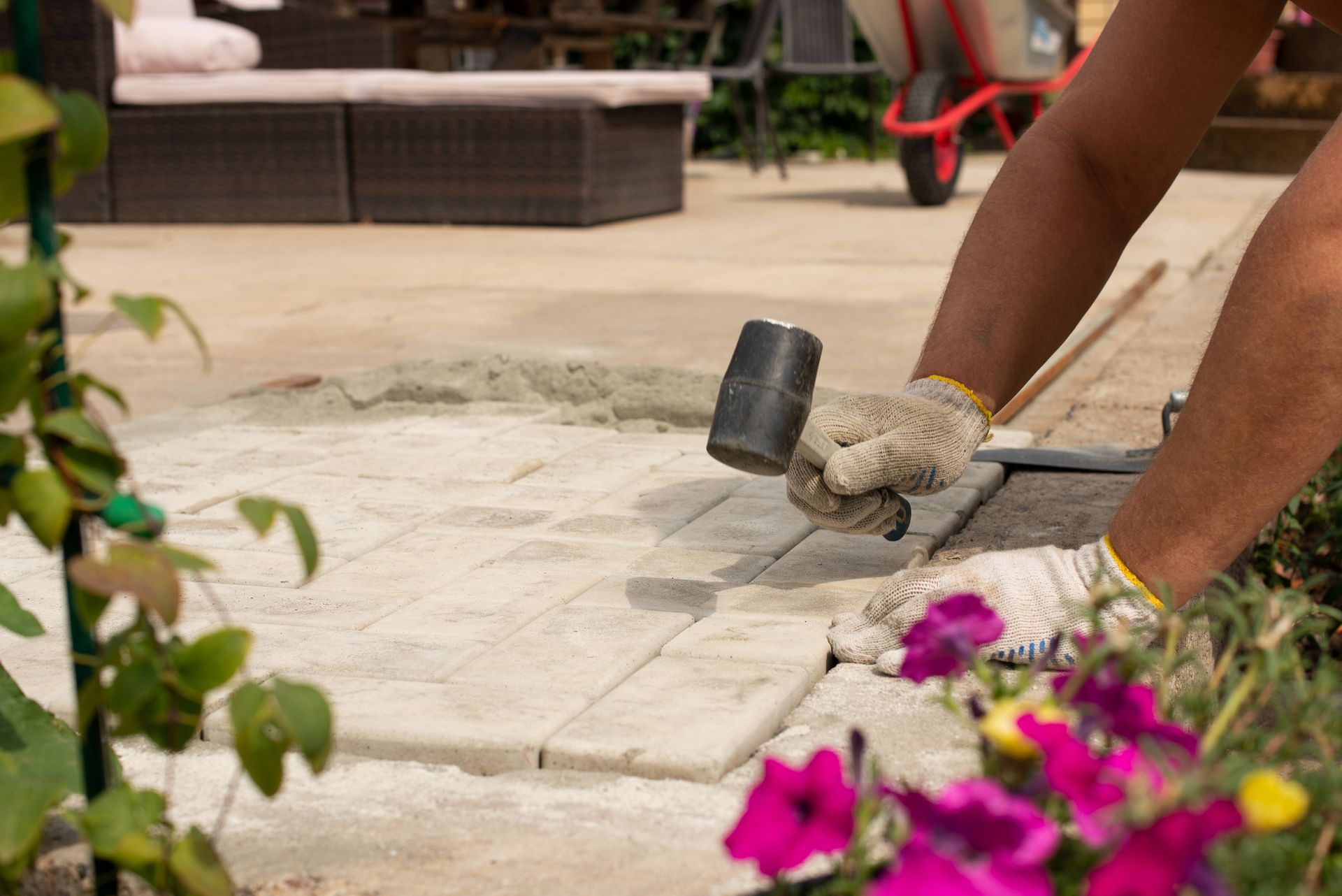
Design and Material Mistakes
These mistakes are less about failure and more about living with choices that disappoint over time. They are easier to prevent than to undo.
Choosing a Material for Looks Alone
Picking a material purely on appearance, without considering traffic, maintenance, and slip resistance, leads to regret. A stunning surface that is slippery when wet or stains easily becomes a daily annoyance.
Match the material to how the space is used and our climate, not just to a photo. For a deeper comparison, see our guide on pavers vs bluestone vs travertine.
Texture matters as much as color for a patio you walk on barefoot or use around a pool. A smooth, polished surface that photographs beautifully can turn dangerously slick when wet, so how a material performs underfoot deserves as much weight as how it looks.
Overcomplicating the Design
More is not always better. Too many materials, colors, patterns, and levels can make a patio feel busy and disjointed rather than elegant.
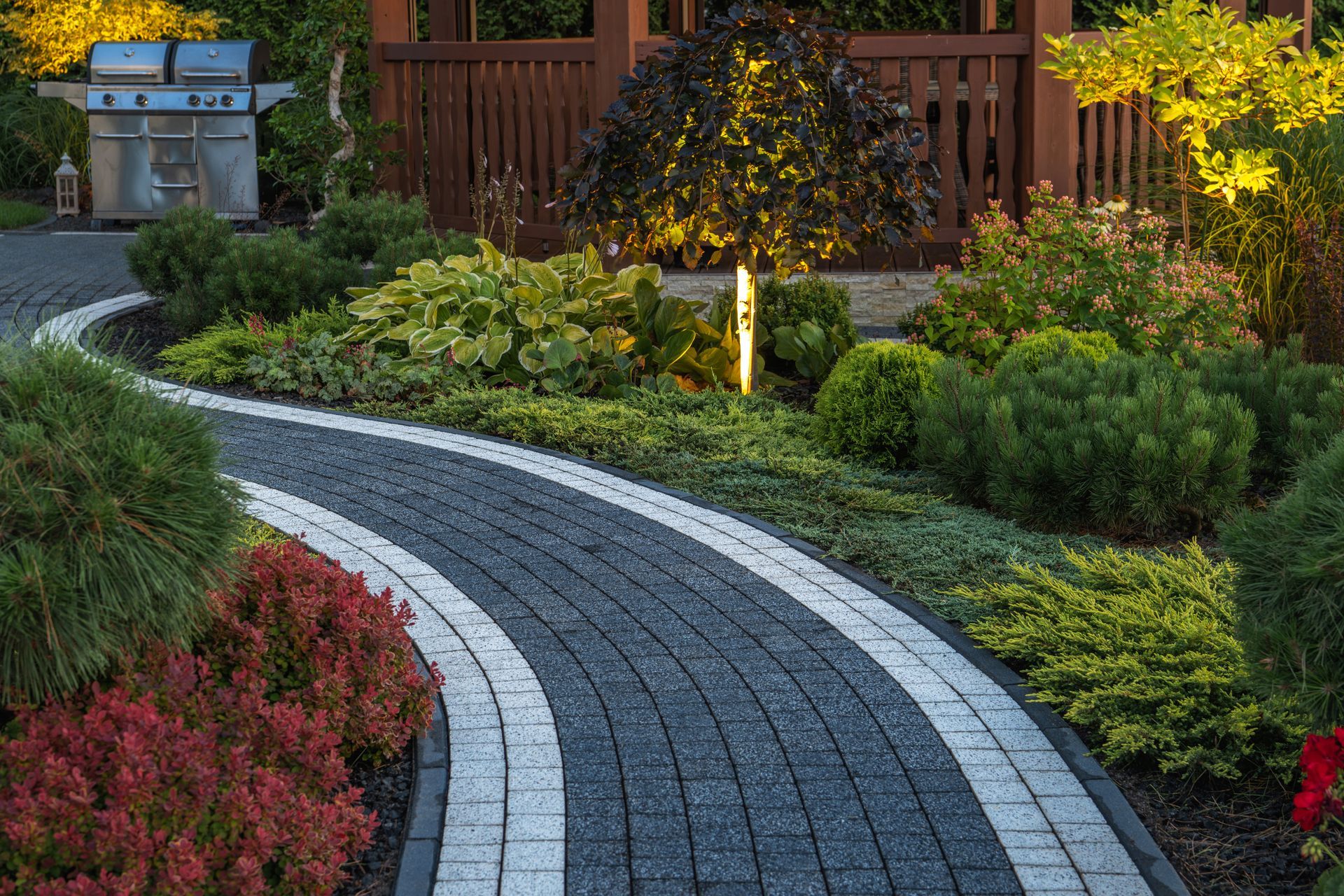
A restrained design with one or two materials and a clear focal point usually ages better than a crowded one. Simplicity tends to look more intentional and timeless.
Trends are another trap here. A bold pattern or color that feels current now can date a patio quickly, while a clean, classic layout stays attractive for decades. Since a patio is a long-term investment, designing for longevity rather than the moment is usually the safer choice.
Forgetting the Details That Matter
Small omissions add up. Skipping lighting, leaving no room for a grill or seating, or ignoring how furniture fits are the kinds of details that quietly limit how much the patio gets used.
Thinking through lighting, seating, and features during design, rather than after, keeps the finished space genuinely livable.
Utilities are the easiest thing to forget and the hardest to add later. Running a conduit for lighting or a gas line for a future grill during construction costs very little, but retrofitting either one means cutting into a finished patio.
Hiring and Planning Mistakes
The most expensive patio mistakes often happen before a single paver is laid. They come down to how the project is planned and who builds it.
Hiring on Price Alone
The lowest bid is frequently the most expensive choice in the long run. A cut-rate installer may skip base depth, drainage, and edge restraint, the exact things that make a patio last.
Check for licensing, insurance, references, and a clear written scope. A crew that explains how they handle the base and drainage is worth more than one that simply quotes a low number.
It is worth asking to see past work and, ideally, projects that are a few years old. A patio that still looks level and tight after several Hudson Valley winters tells you far more about a contractor than a freshly finished photo does.
Skipping the Planning Stage
Rushing into construction without a real plan leads to compromises and change orders. Homeowners who skip planning often end up with a patio that does not fit their needs or their yard.
Investing time in design, material selection, and layout up front is what prevents regret. It costs nothing to plan carefully and saves a great deal later.
Not Thinking About the Future
A patio built only for today can disappoint later. Failing to plan for a future fire feature, outdoor kitchen, or expansion can mean tearing up finished work to add them.
Even if you build in phases, planning the full vision from the start lets you rough in utilities and leave room, so future additions do not undo what you already paid for.
How to Avoid These Mistakes
Avoiding patio regret comes down to a simple principle: plan thoroughly and build correctly. Almost every mistake above traces back to rushing one of those two.
Plan Before You Build
Take the time to define how you will use the space, sketch it to scale, and think through sun, flow, drainage, and future plans. A thorough plan catches the expensive mistakes while they are still free to fix.
- Size the patio around real furniture and use.
- Plan drainage and grading from the very start.
- Choose materials for use and climate, not just looks.
- Map how the space connects to the house and yard.
Build It Right the First Time
The mistakes that cause failure are almost all about what happens below the surface. A proper base, correct grading, solid edge restraint, and a design built for our climate are what make a patio last.
Working with an experienced local crew that gets these fundamentals right is the surest way to avoid regret. At JL Landscape, we plan and build patios to last through Hudson Valley winters, and we are always glad to walk a homeowner through the details before anyone breaks ground.
Ready to Design a Patio You Won't Regret?
The best way to avoid patio mistakes is to plan carefully and build on a solid foundation. Getting the size, drainage, materials, and base right from the start is far easier than fixing them later.
At JL Landscape, we help Dutchess County homeowners design patios that work and last, built by our own in-house crew. When you are ready,
reach out for an estimate or explore our
patio services and
portfolio to see how we approach a project. We will help you get it right the first time.
Frequently Asked Questions
What is the most common patio design mistake?
Building the patio too small is the most frequent regret, since a space that looked big enough on paper often cannot fit furniture plus room to move. Sketching the actual furniture at scale before setting dimensions prevents it.
Why does patio drainage matter so much?
Poor drainage causes water to pool on the surface, grow slick or icy, and erode the base underneath, which leads to settling and shifting. Every patio needs a deliberate slope to move water away, and fixing drainage after the build is difficult and costly.
Is it worth paying more than the lowest bid for a patio?
Usually yes. The cheapest bid often skips base depth, drainage, and edge restraint, the very things that determine whether a patio lasts. Checking licensing, insurance, references, and a clear written scope protects your investment.
How do I choose the right patio material?
Match the material to how the space is used, the maintenance you want, and our freeze-thaw climate, rather than choosing on looks alone. A material that is slip-resistant and durable in our winters will serve you better than one picked only from a photo.
Can patio design mistakes be fixed after installation?
Some cosmetic issues can be adjusted, but structural mistakes like poor drainage, a weak base, or bad grading usually require lifting and rebuilding sections. This is why planning and correct installation up front matter so much.
Recent Posts