
When Is the Best Time of Year to Install a Patio or Walkway?
The best time to install a patio or walkway in the Hudson Valley is late spring through early fall, when the ground is workable and weather is dependable. That said, the ideal window depends on your priorities: spring and summer are best for fast completion, fall often brings the best contractor availability, and late fall can offer better value if the weather cooperates. Hardscape can be built in almost any season here except deep winter, when frozen ground makes proper base work impractical.
At J&L Landscape, we are a family-owned, licensed and insured hardscape company building patios, walkways, and retaining walls across Dutchess County and the Hudson Valley, from Poughkeepsie and Wappingers Falls to Fishkill, Hyde Park, and Rhinebeck. Because we run our own in-house crew rather than subcontracting, we schedule projects around our local weather, so the timing guidance below reflects how installation actually works in our region.
Start with the short answer, then see how each season stacks up.
In This Guide
- The short answer on timing: The best window at a glance.
- Season-by-season breakdown: Pros and cons of each time of year.
- What matters more than the calendar: Ground, weather, and site conditions.
- Timing for the best value: When to book for availability and price.
- How Hudson Valley weather affects timing: Frost, freeze-thaw, and rain.
- Planning and lead time: Why booking early pays off.
- Frequently asked questions: Quick answers to common questions.
The Short Answer on Timing
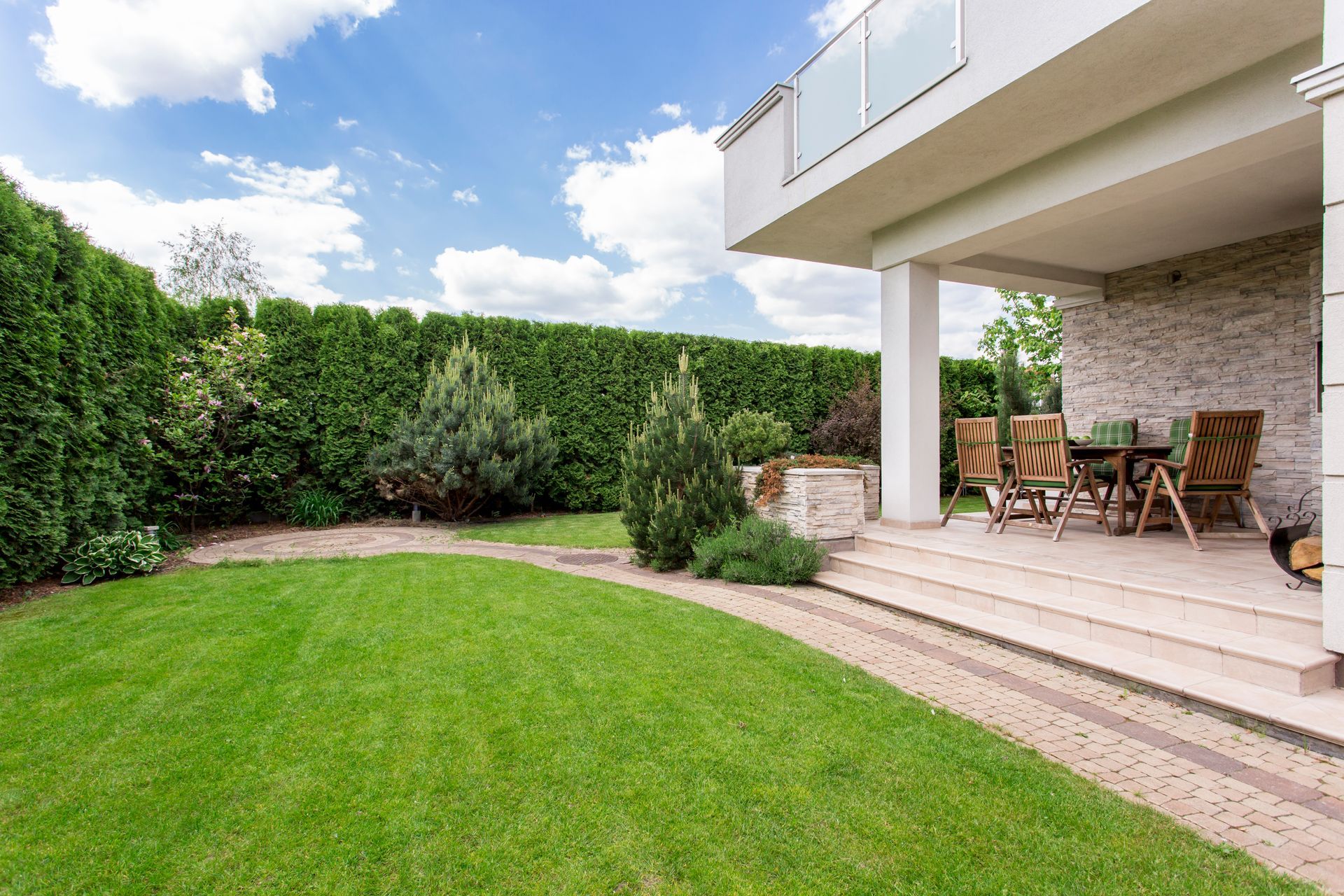
For most Hudson Valley homeowners, the sweet spot for installing a patio or walkway runs from late spring through early fall. The ground is thawed and workable, rain is manageable, and the finished space is ready to enjoy during the warm months.
But the calendar is only part of the story. The single most important factor is not the month, it is whether the ground and weather allow for proper base preparation, which is what determines how long the project lasts.
Why the Window Is Flexible
Hardscape is more weather-forgiving than many people expect. A skilled crew can install a patio in early spring or late fall as long as the ground is not frozen and conditions allow the base to be built correctly.
That flexibility means the best time for you often comes down to your goals: enjoying the space sooner, getting on the schedule faster, or finding better value in the off-season. The rest of this guide breaks down each option.
It also helps to separate two different questions: when the work can be done well, and when it is most convenient or affordable for you. The first is set by weather and ground conditions, while the second depends on your schedule and budget. The best projects line both up.
Season-by-Season Breakdown
Every season in the Hudson Valley has tradeoffs for hardscape installation. Here is how each one performs.
Spring
Spring is a popular choice because the ground has thawed and homeowners want the space ready for summer. It is a strong all-around window for both patios and walkways, which is why it books up first.
The main drawback is demand. Spring is the busiest booking season, so schedules fill quickly and lead times stretch. Wet spring weather can also delay excavation until the ground dries out enough to work.
Early spring, right after the ground thaws, can be a smart target if you book ahead. You beat the peak rush while still getting the space finished well before summer, though you have to stay flexible around the wetter weeks.
Summer
Summer offers the most dependable weather, with long dry stretches that keep projects moving without rain delays. Base work, compaction, and paver setting all go smoothly in stable, dry conditions, with fewer weather pauses than any other season.
The tradeoff is that summer is peak season, so booking ahead matters. If you want a patio finished in time for late-summer entertaining, spring booking is usually necessary.
Extreme summer heat is rarely a real obstacle for hardscape the way it can be for planting, though it does mean the crew works around the hottest hours. The bigger scheduling factor is simply that everyone wants their outdoor space during these months, so the calendar fills fast.
Fall
Fall is arguably the best-kept secret for hardscape. The weather is cool and stable, the ground is still workable, and demand often eases after the summer rush, which can mean faster scheduling and shorter waits.
Cooler temperatures are also easier on the crew and on certain materials during installation. The main limit is the calendar, since work needs to wrap before the first hard freeze.
Fall also lets you enjoy the new space during the mild early-autumn weeks and have it fully ready for the following spring and summer. For many homeowners it is the ideal balance of good conditions, reasonable lead times, and a finished project waiting when the warm season returns.
Winter
Deep winter is the one season that genuinely limits installation. Once the ground freezes, proper excavation and base compaction become impractical, and frozen or saturated soil undermines the foundation the hardscape depends on for stability.
Early and late winter can sometimes allow work during mild, dry stretches, but true midwinter installation is usually best avoided in our climate. It is, however, an ideal time to plan and book for spring.
Using the winter to finalize your design, choose materials, and lock in a spot on the schedule means your crew can break ground the moment conditions allow in spring. Homeowners who plan over the winter almost always get the earliest and most convenient installation dates.
Season Comparison at a Glance
This table summarizes the tradeoffs so you can match the season to your priorities.
| Season | Weather Reliability | Availability | Best For |
|---|---|---|---|
| Spring | Moderate, can be wet | Limited, books fast | Ready by summer |
| Summer | Most reliable | Peak demand | Steady, fast builds |
| Fall | Cool and stable | Often better | Value and scheduling |
| Winter | Poor, frozen ground | Open for planning | Booking ahead |
As the table shows, there is no single right answer. The best season depends on whether you value speed, weather certainty, or availability and price.
What Matters More Than the Calendar
The season sets the general window, but a few on-the-ground factors decide whether any given day is right for installation.
Ground and Soil Conditions
The ground has to be thawed and workable for proper excavation and base compaction. Saturated or frozen soil cannot be compacted correctly, and building on it leads to settling and shifting later.
This is why a rainy stretch can delay a spring project and why deep winter is off the table. The condition of the soil on install day matters more than the date on the calendar.
Clay-heavy or poorly draining soil, common in parts of the Hudson Valley, holds moisture longer and needs more drying time after rain. A good crew tests conditions before excavating rather than forcing work on ground that will not compact properly.
Weather Windows for the Build
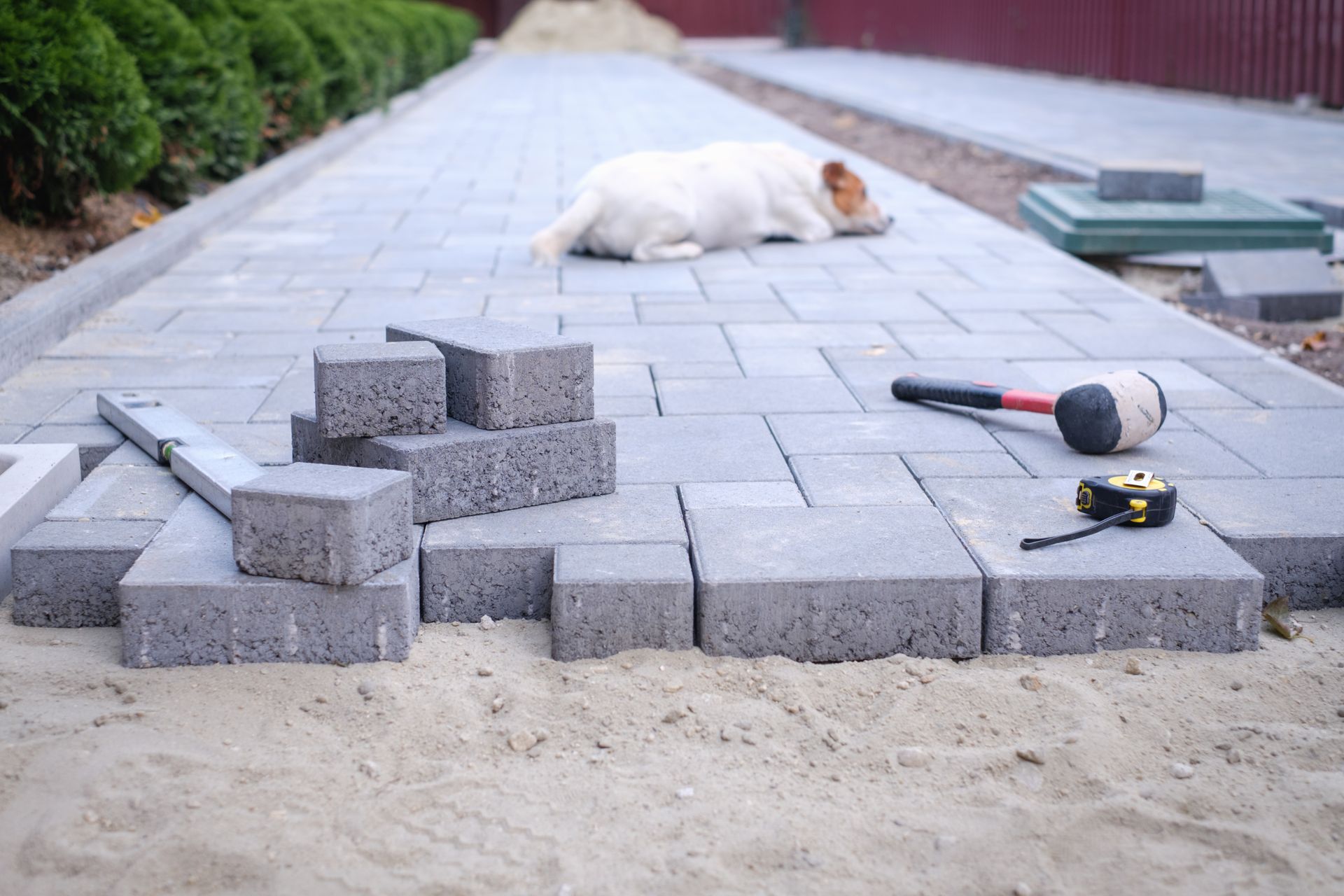
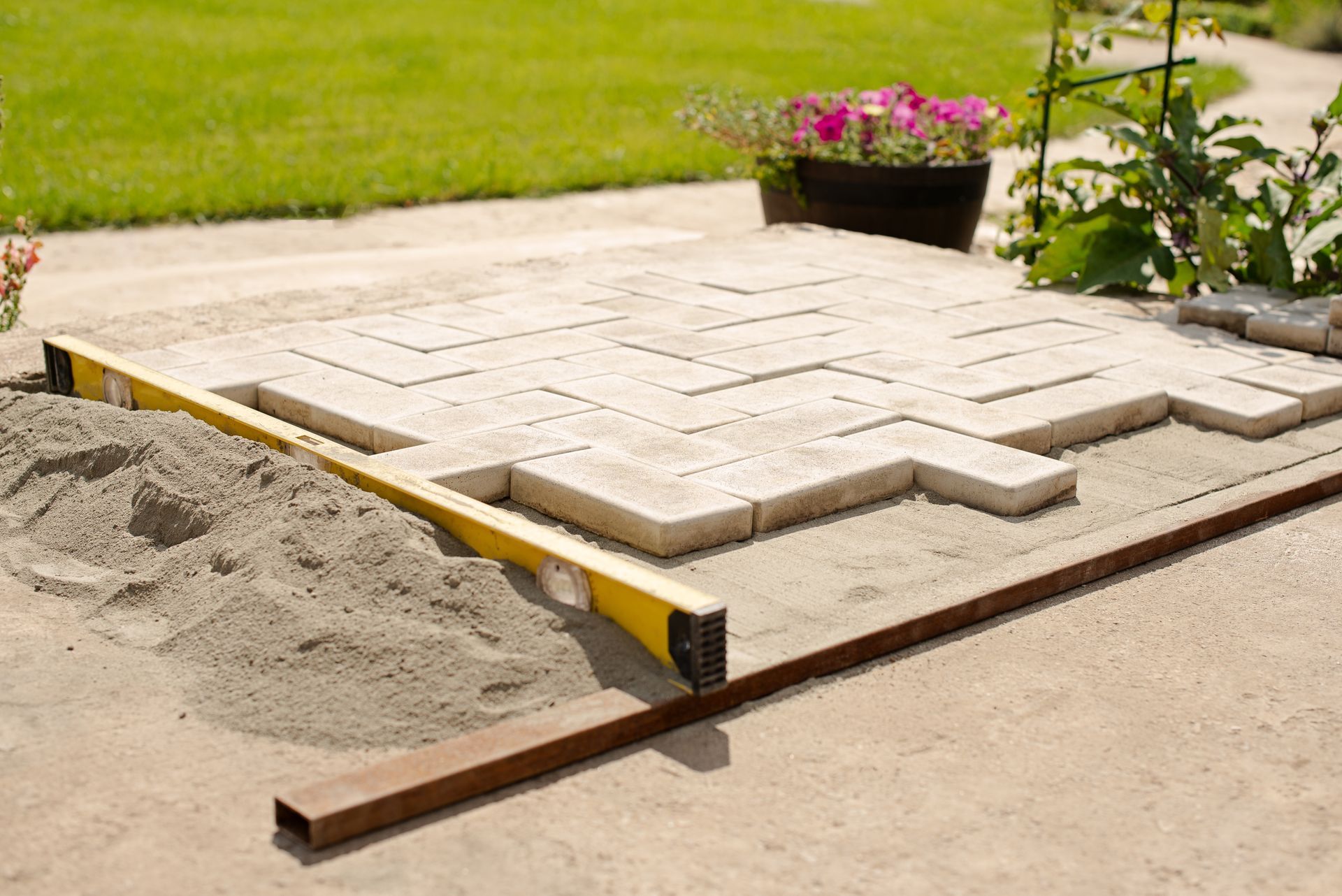
A hardscape project needs a run of workable days, not just one. Excavation, base building, compaction, and paver setting each need reasonable conditions to be done right.
An experienced local crew plans around the forecast, sequencing the work so critical steps like base compaction happen in dry conditions. Proper base work is what makes a patio last, as we cover in our guide on how long paver patios and walkways last.
The length of the window depends on the project. A small walkway may only need a few good days, while a large multi-level patio needs a longer stable stretch. This is part of why timing a bigger project into the more dependable summer and early fall windows makes sense.
Timing for the Best Value
If budget and availability matter more than finishing by a specific date, timing your project strategically can work in your favor.
Off-Season and Shoulder Timing
The busiest, most competitive time is late spring into early summer. Booking in the shoulder periods, early spring or fall, can mean shorter lead times and a crew that is not stretched thin.
- Fall often has better availability after the summer rush.
- Late fall can offer value pricing when demand drops, weather permitting.
- Winter planning locks in a spring slot before the rush begins.
Balancing Value Against Weather
The catch is that off-season savings depend on cooperative weather. A mild, dry fall stretch is ideal, but you have to stay flexible, since a project may need to shift a few days around conditions.
Value is not only about price, either. A crew that is less rushed in the shoulder season can often give your project more focused attention, which shows in the finished detail work. For a fuller picture of what drives your total investment beyond timing, our guide on
patio cost factors breaks down the variables that matter most.
How Hudson Valley Weather Affects Timing
Our regional climate is the reason timing matters at all. Understanding it helps you plan around the calendar with confidence.
Frost and the Freeze-Thaw Cycle
The Hudson Valley sees a real winter, with ground that freezes and a repeated freeze-thaw cycle throughout the season. Installing on frozen or heaving ground compromises the base, so work pauses when the ground is frozen.
A properly built base, installed when conditions allow, is what lets a patio withstand years of freeze-thaw afterward. Getting the timing and the base right go hand in hand in our climate.
Frost depth here can reach well below the surface, which is why the base has to be built to handle ground that moves with the seasons. This is also why cutting corners to squeeze in a late-season install on marginal ground tends to backfire, showing up as heaving or settling by the next spring.
Rain and Seasonal Moisture
Spring tends to be our wettest stretch, which can push back excavation until the soil dries. Summer and early fall usually bring more stable, dry windows that keep projects on track.
Planning around these patterns, rather than fighting them, is what keeps a build efficient. A local crew that knows Hudson Valley weather can time the work to avoid the worst of it.
It also helps to build in a little schedule flexibility. Rather than tying the install to a single fixed date, allowing a short window means the crew can start when conditions are right and finish without weather-forced pauses in the middle of critical base work.
Planning and Lead Time
Whenever you decide to build, planning ahead is the one move that consistently pays off. Quality hardscape crews book out, especially for the prime season.
Book Before the Rush
If you want a patio ready for summer, the time to start the conversation is late winter or early spring. Design, material selection, and scheduling all take time before a crew breaks ground.
Reaching out early means you get your preferred window rather than whatever is left. It also leaves room to plan the design carefully, which we walk through in our guide on how to plan a patio layout.
Material availability is another reason to plan ahead. Certain stone and paver options can have lead times of their own, so choosing materials early keeps a supply delay from pushing back your install date once the season arrives.
Give the Design Room to Breathe
Rushing the design to hit a date often leads to compromises. Starting early lets you weigh materials, layout, and features without pressure, so the finished patio or walkway is one you are happy with for years.
A little lead time turns a stressful scramble into a smooth process from first sketch to finished space.
Ready to Plan Your Patio or Walkway?
The best time to build is when the ground is workable, the weather cooperates, and you have planned the project well, which in the Hudson Valley usually means late spring through fall, with smart value in the shoulder seasons. The most important thing is not rushing the base work that makes it last.
At JL Landscape, we help Dutchess County homeowners plan the right timing for their project and build it with our own in-house crew. When you are ready,
reach out for an estimate or browse our
portfolio to see recent patios and walkways. We will help you pick a window that fits your goals and our climate.
Frequently Asked Questions
Can you install a patio in the winter?
In the Hudson Valley, deep winter is usually not workable because frozen ground prevents proper excavation and base compaction. Mild, dry stretches in early or late winter can sometimes allow work, but midwinter is best used for planning and booking a spring project.
What is the best month to build a patio?
There is no single best month, but late spring through early fall offers the most reliable conditions. Many homeowners find fall ideal because the weather is stable and contractor availability is often better after the summer rush.
Is it cheaper to install a patio in the off-season?
It can be. Booking in the shoulder seasons or late fall, when demand drops, sometimes brings better availability and value, as long as the weather cooperates. You need to stay flexible, since off-season projects may shift a few days around conditions.
How far in advance should I book a patio installation?
For a summer-ready patio, start the conversation in late winter or early spring, since quality crews book out for peak season. Booking early secures your preferred window and leaves time to plan the design properly.
Does the weather on install day really matter that much?
Yes. Proper base preparation requires workable, unfrozen soil and dry conditions for compaction, and this is what determines whether the patio stays level for years. A good crew sequences the work around the forecast to protect the base.
Recent Posts